$50,000 to Make Ceramics? Here's Where Every Dollar Went
If you want to track your own expenses, whether for taxes, pricing your work, or just understanding where your money actually goes, I made a free checklist covering every category a ceramics or handmade art business should be tracking. It's the kind of thing I wish I'd had when I started.
Download Free PDF
Download Free PDF Checklist ↓
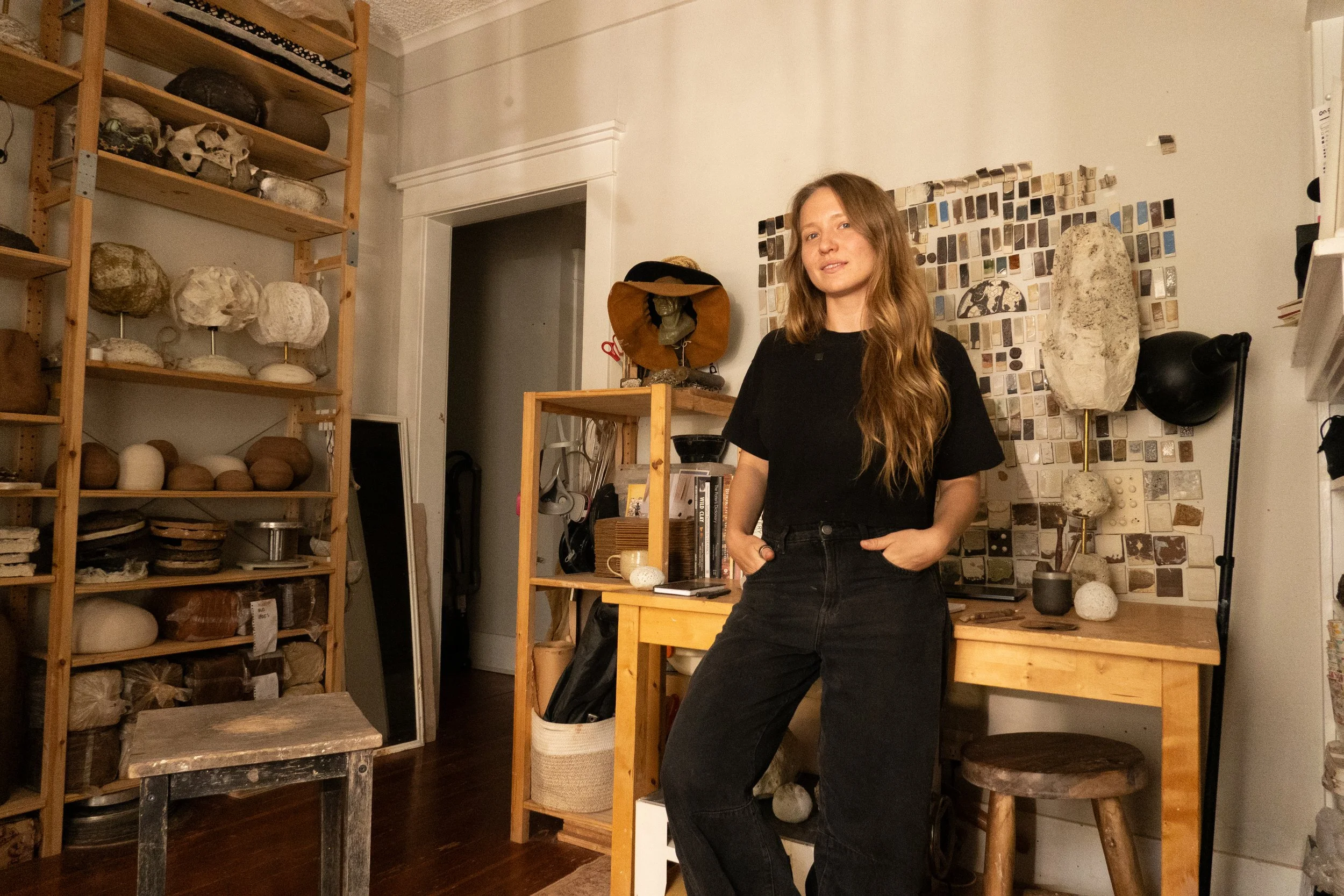
Maria Loram in her studio. Credits: Agathus Studios
Tax season has a way of making you sit down and actually look at the numbers. This year I did something everyone is avoiding — I went through every single expense from my ceramics business in 2025, category by category, receipt by receipt. The total came out to $43,388. And that's before rent, utilities, health insurance, and car expenses.
So yes. Running a ceramics business costs more than clay.
I shared the full breakdown in a YouTube video (timestamps included if you want to skip to a specific category), but here's the condensed version — with real numbers — for anyone building or pricing their own ceramic art business. Whether you're trying to understand your pottery business expenses for tax purposes or just figuring out how to price ceramics sustainably, these numbers might surprise you.
The Main Categories
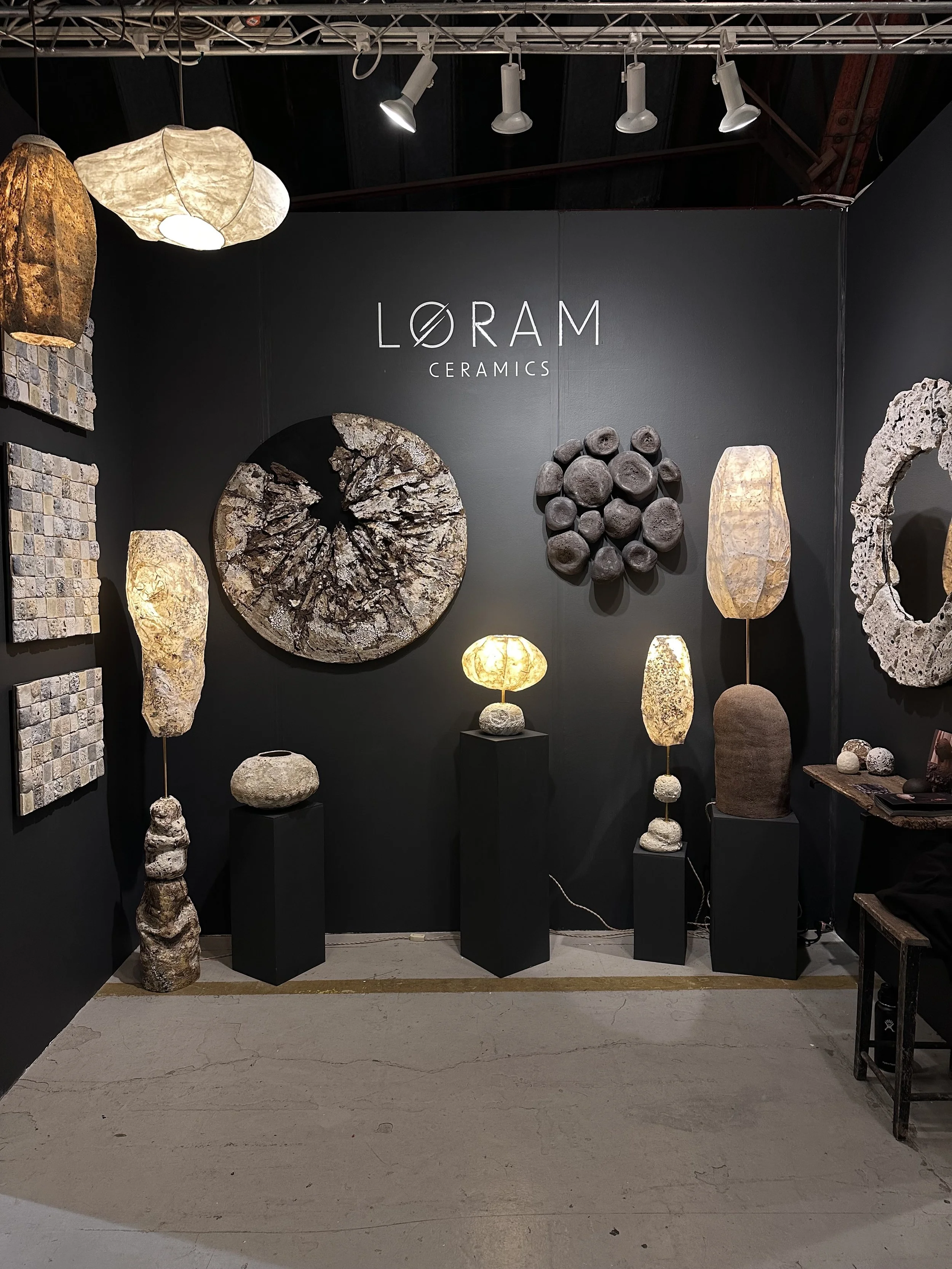
West Edge Design Fair
Materials & Supplies — $6,632
Clay, glazes, hardware, packaging, lamp parts — all the physical stuff that goes into making the work. Honestly lower than I expected, which probably just means I didn't make enough this year. Knowing your exact materials cost per piece is the foundation of pricing ceramics correctly — something most ceramic artists skip until it's too late.
Design Fairs & Booth Fees — $9,700
This was the biggest surprise. I participated in West Edge Design Fair and had a deposit down for ICFF in New York (which I ended up postponing — more on that in the video). Booth rental, insurance, wall prep, food during the fair — it adds up fast. I didn't land a single order that directly covered these costs, but I gave out 200 business cards and a lot of catalogs, so I'm counting it as a long game.
Platform Fees — $6,294
Squarespace payment processing, First Dibs subscription and commissions, Etsy fees. If you sell online, platforms take their cut — and it's more than you think.
Help & Assistance — $3,645
My first year hiring people — a virtual assistant, a studio assistant during my pregnancy, and a Pinterest/Etsy manager. Best decision I've made. You don't have to do everything yourself.
Education & Development — $2,690
A business retreat in Portugal, online courses, books, and Patreon support for other artists. The retreat alone was transformative. Investing in your craft is a legitimate ceramics business expense — and it compounds over time.
Equipment & Inventory — $2,534
New laptop (long overdue — my 2014 MacBook finally gave up), camera gear, shelves, studio accessories.
Subscriptions & Web — $2,333
Squarespace, Descript for video editing, ChatGPT, Canva, Adobe, Zoom, Tilda. Somehow, I'm spending $200/month on software as a ceramics person. Apparently, that's just the deal now. I paid so much to Squarespace alone just for having the courses on my website. You can check them out if you’re interested in creating amazing surfaces on your ceramic objects. Textures in Ceramics is a comprehensive course that covers everything from sand to glazes, and The Glaze is Lava, which is specifically focused on the special effect lava glaze.
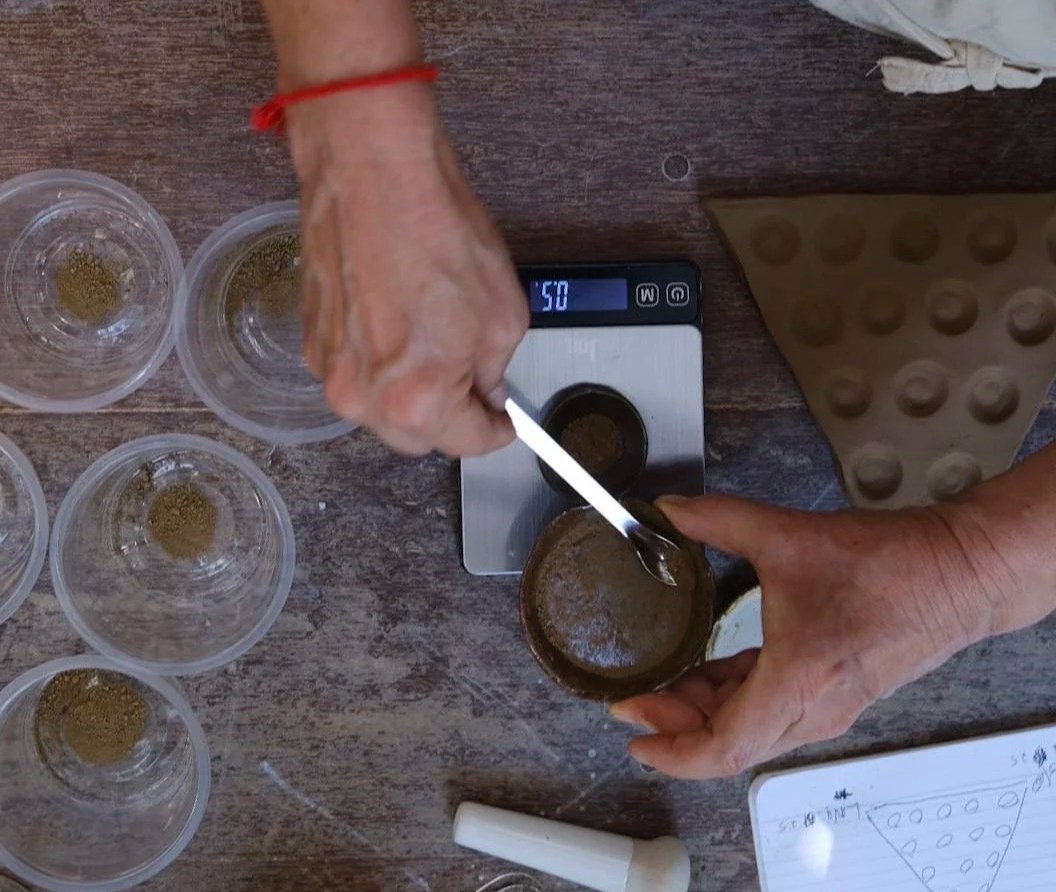
Business Travel & Workshops — $5,208
Residency in Lisbon, workshops in Lebanon, Bali, and Mexico. This is my favorite category because I actually love spending this money. When you travel to teach or create, the work and the experience become the same thing.
Everything Else — $4,279 Shipping, ads, business cards, catalogs, business license, admin fees, sales tax filing. The unglamorous stuff that still needs to happen.
What I Didn't Include
Rent and utilities (I have a home studio and home office, so a percentage of both is deductible as a ceramics business tax deduction), health insurance, and car expenses. If you're a ceramic artist working from a home studio, don't overlook these — they're legitimate deductions that most people miss. Add them in and you're looking at closer to $50,000 for the full picture.
Thinking About Building Your Ceramics Business?
This is the kind of breakdown I wish someone had shown me when I was starting out. If you're a ceramic artist working on the business side — pricing, fairs, expenses, building a sustainable studio practice — I'm planning to offer 1-1 mentorship sessions in the future. Drop me an email at maria@loramceramics.com and I'll let you know when spots open.
In the meantime, if you want to develop your technical ceramic skills alongside the business side, I teach two online courses: Textures in Ceramics covers surface decoration from natural materials to lava glaze, and The Glaze is Lava goes deep on volcanic and crater glaze effects.
Running a ceramics business is not just buying clay. But it is, genuinely, the most fulfilling thing I've ever done — and knowing the real numbers helps me make better decisions, charge what I'm worth, and keep building something sustainable.
If you have questions about any of these categories or want to share your own numbers, I'd love to hear from you.
About the Author
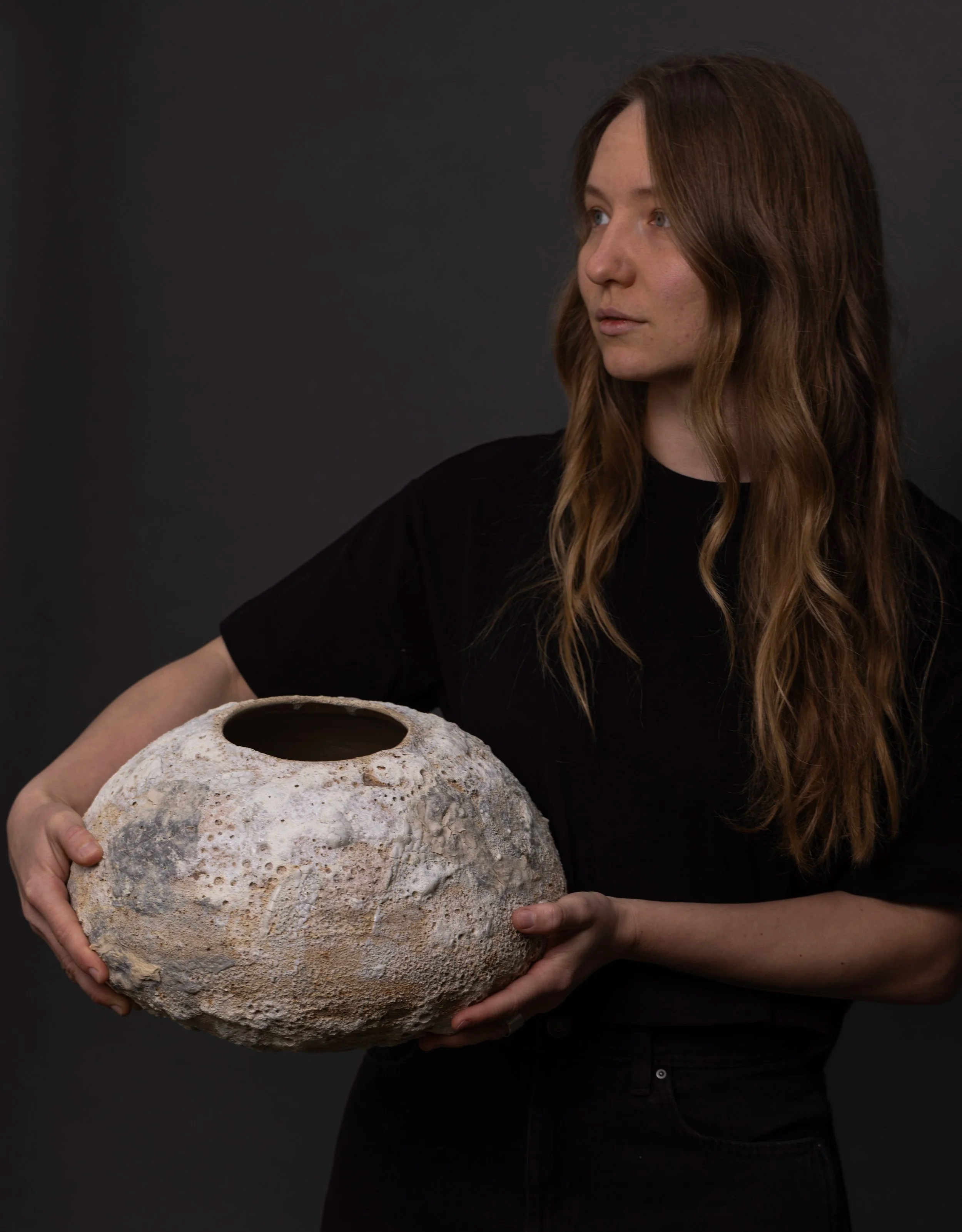
Hi, I’m Maria — a ceramic artist based in the US. I make sculptural lighting and hand-built vessels, and I share my studio process online.
I teach ceramics internationally and online. → loramceramics.com
This checklist is part of a growing library of free guides for ceramic artists and makers.