

Textures in Ceramics
An 8-week online course in pottery texture techniques and surface decoration
The registration is now closed. Email me at maria@loramceramics.com to sign up for the September waitlist ❤️
Wouldn't it be amazing to look at your ceramic work and think, "That's exactly what I envisioned"?
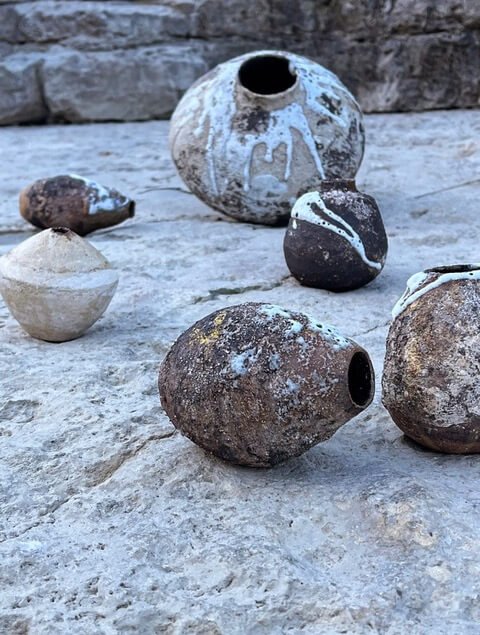
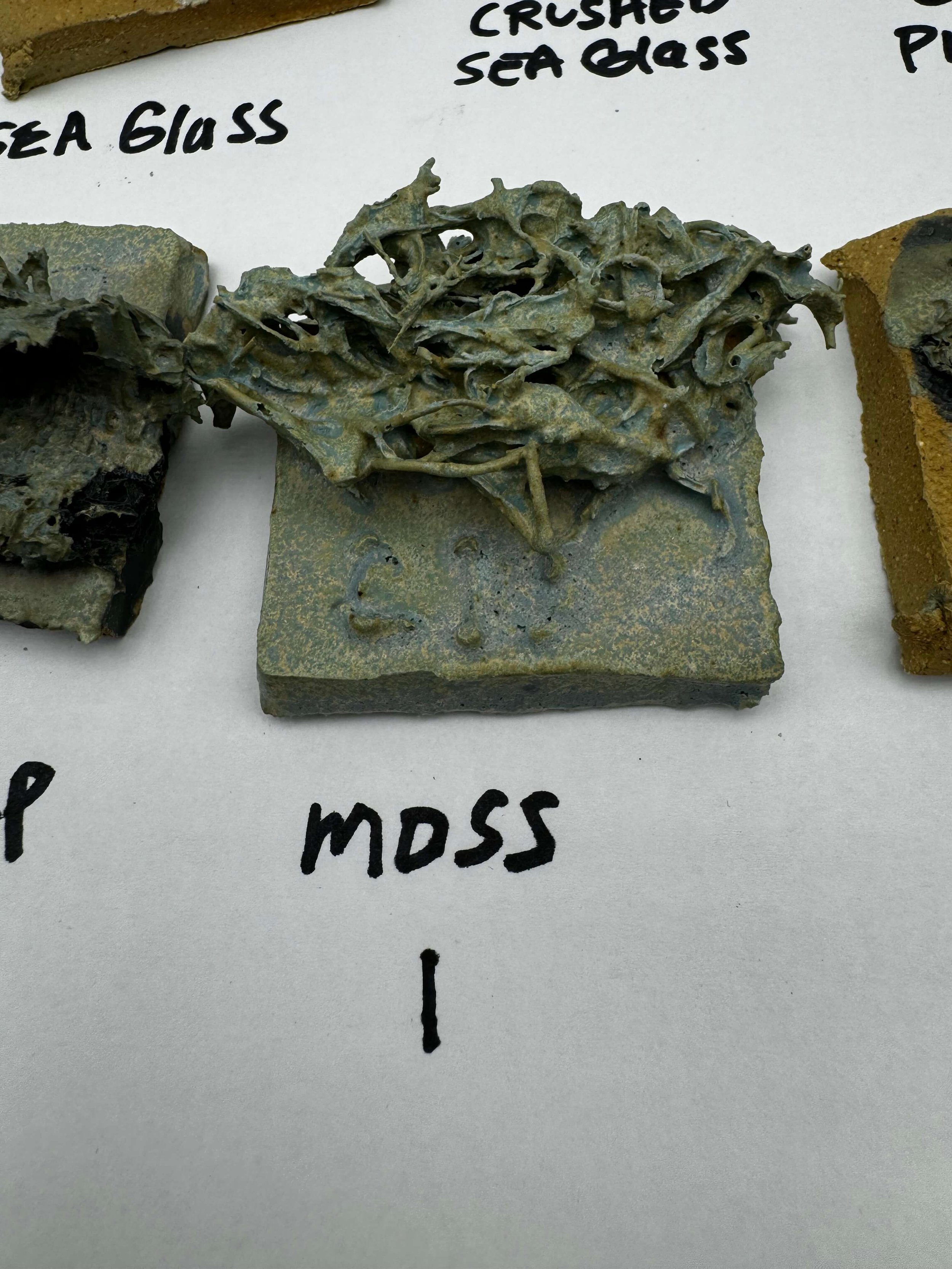
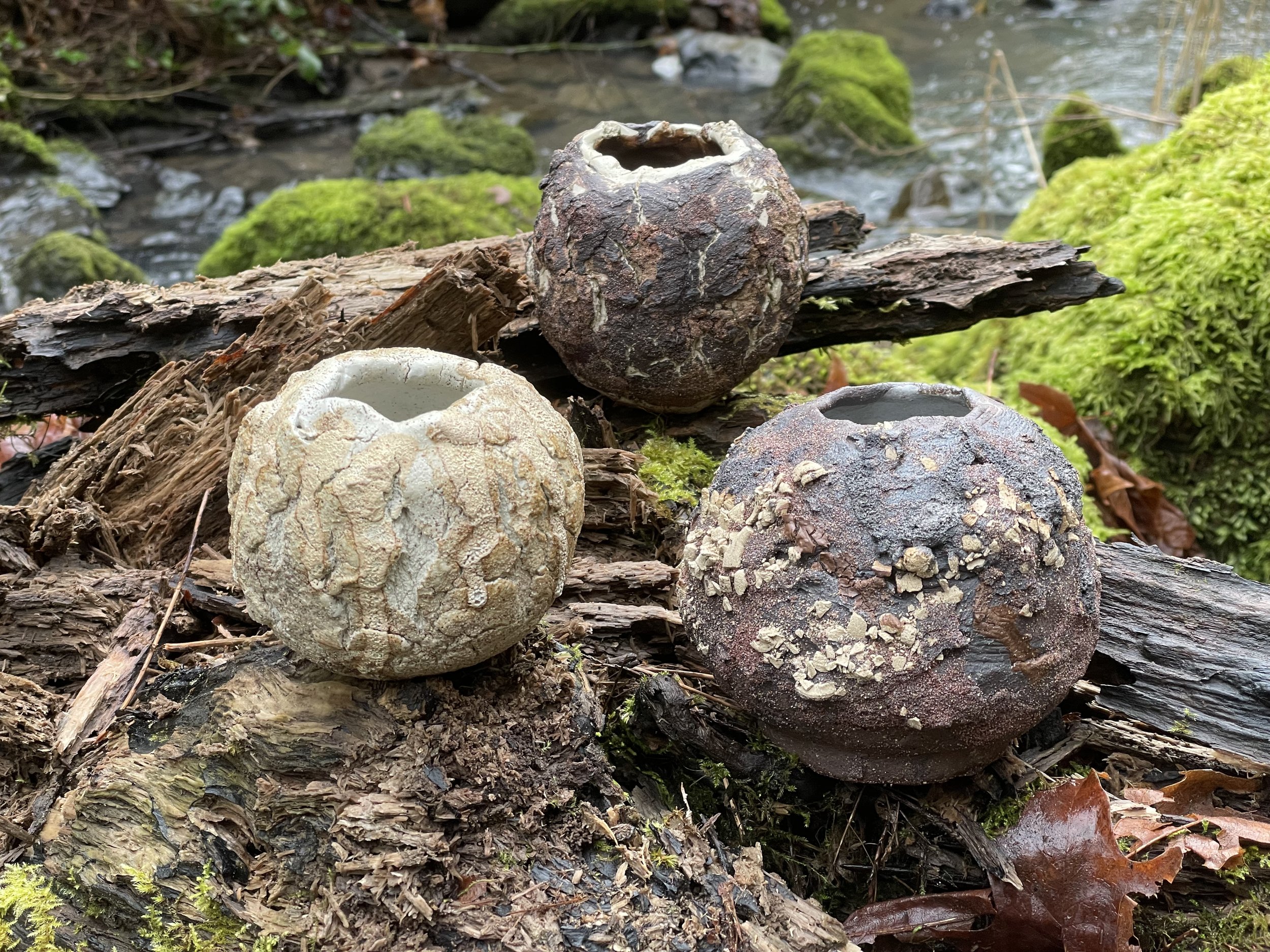
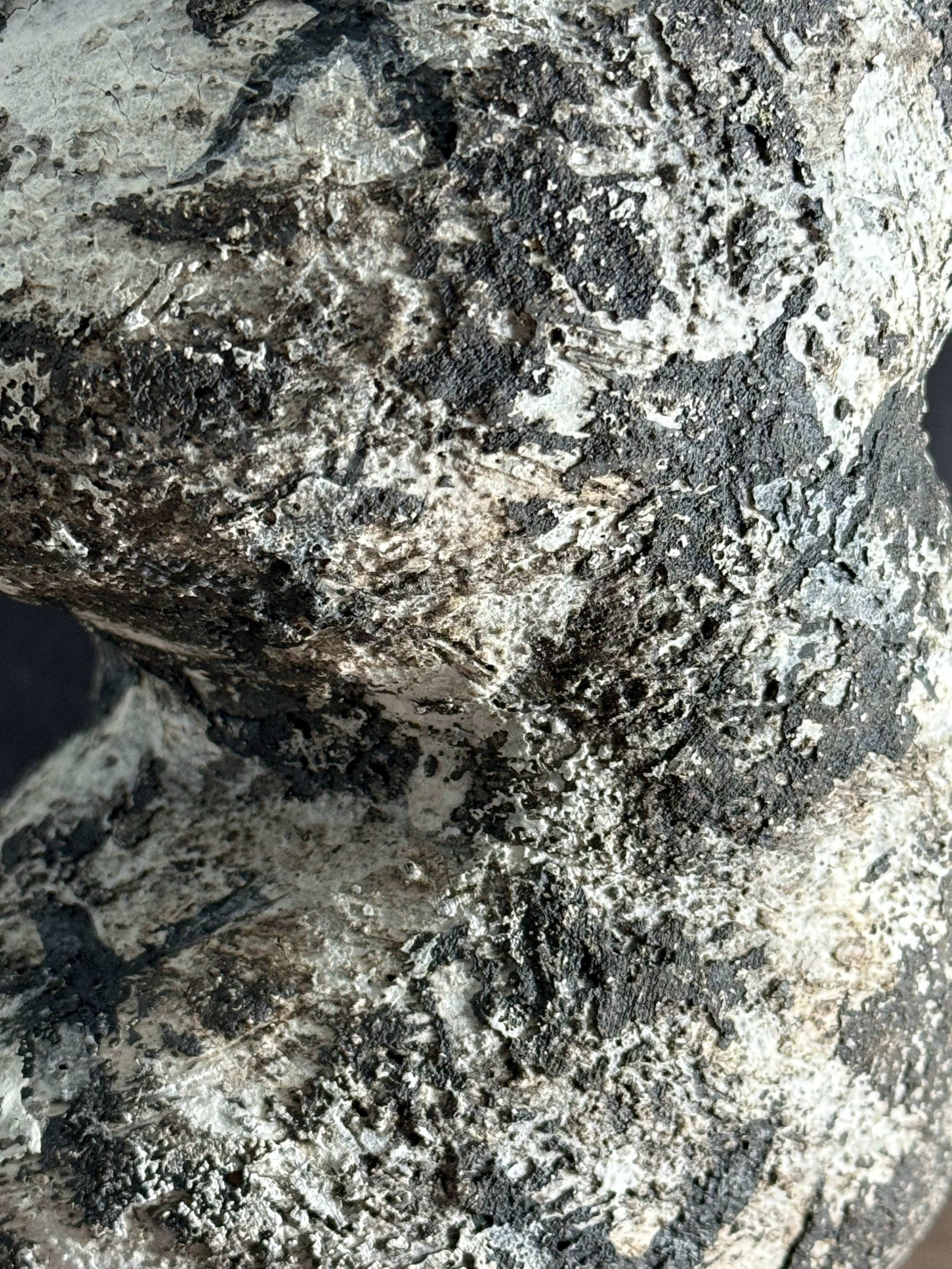
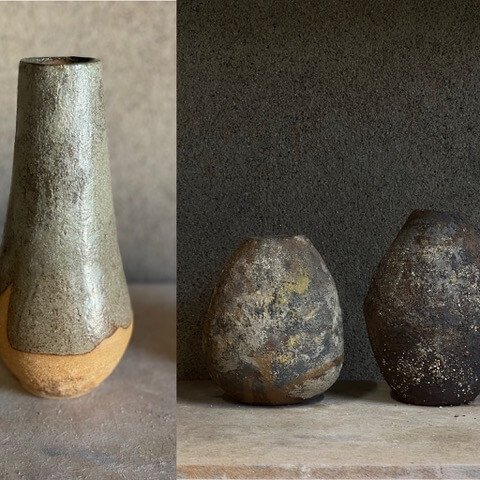
If you've ever been drawn to pottery that looks rough, organic, or earth-like surfaces that remind you of stone, bark, sea glass, or coral — this course is where that aesthetic meets technique.
In this 8-week online ceramics course, you'll learn how to add texture to pottery using natural materials (slips, rocks, sand, and combustibles) and how to make lava glaze, crater glaze, and other special-effect glazes from scratch. Whether you're a potter developing a signature surface style or a ceramic artist exploring new techniques, this course gives you the foundation to experiment and repeat your results.
Course Structure
The course covers two areas of ceramic surface decoration:
Part 1: Clays and Materials — learn how to add texture to pottery using natural materials: slips, rocks, sand, combustibles, and metal. Each material creates a different surface effect, from rough and earthy to organic and sculptural.
Part 2: Glazes — learn how to mix and calculate textured glazes, including lava glaze, crater glaze, and other volcanic surface effects. This section builds on Part 1 to give you a complete ceramic texture practice.
How do I pick the best plan for me?
All plans include access to Part 1 — ceramic texture techniques using natural materials. If you want to go deeper into textured glazes, lava glaze, and glaze chemistry, the Basic+ plan and above include Part 2 as well. The Full and VIP plans add live Zoom calls and personalized feedback on your work.
Choose your plan
Get access to Part I of the course, including videos, PDFs, and lectures for 8 weeks.
Access both Part I & Part II with extended access to lectures for 3 months.
Enjoy all Basic+ benefits plus 4 Zoom calls and full access to course lectures for 4 months.
Unlock all Full benefits, with personalized feedback, priority support, and 6 months of access.
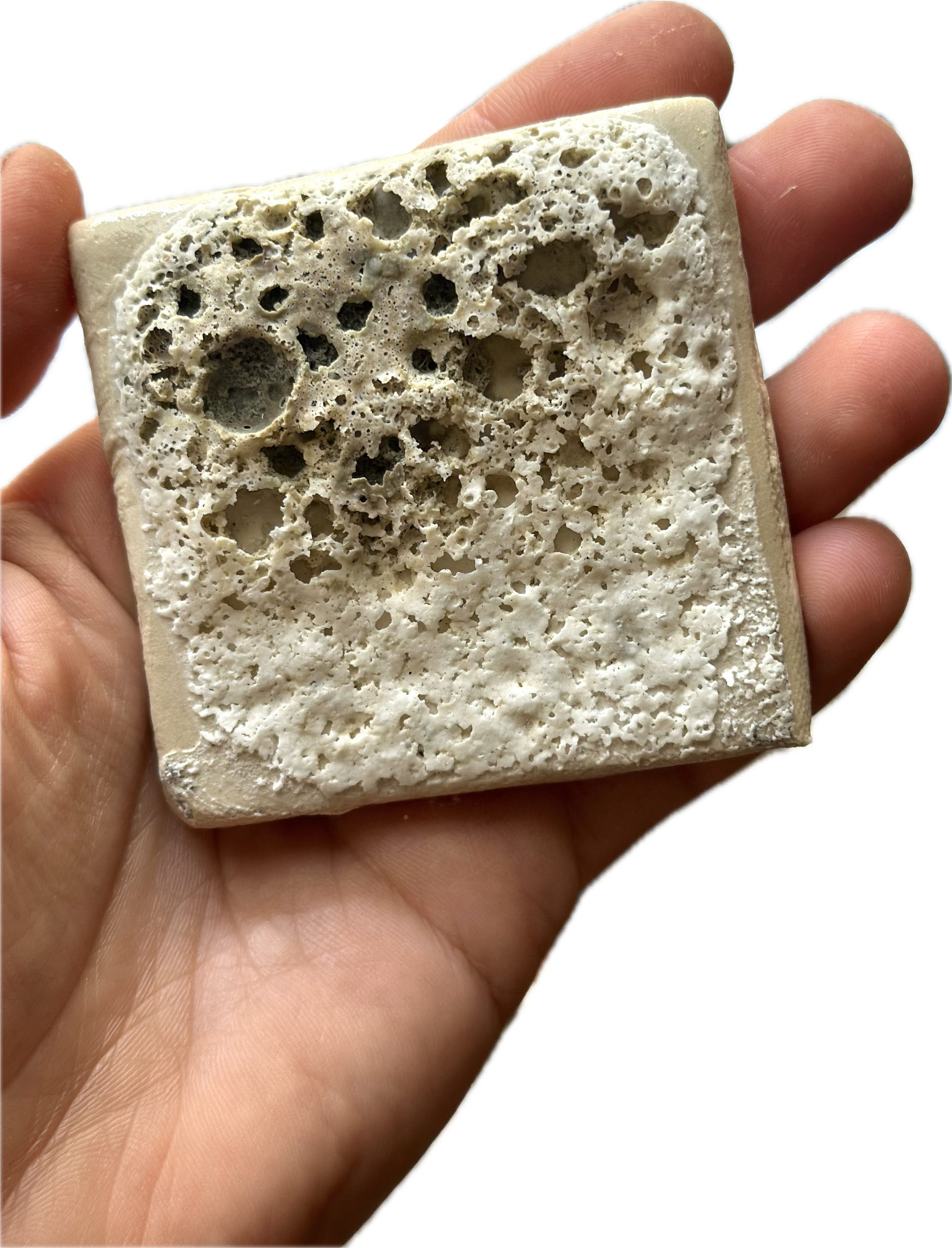
Glaze Recipes & Ceramic Texture Experiments
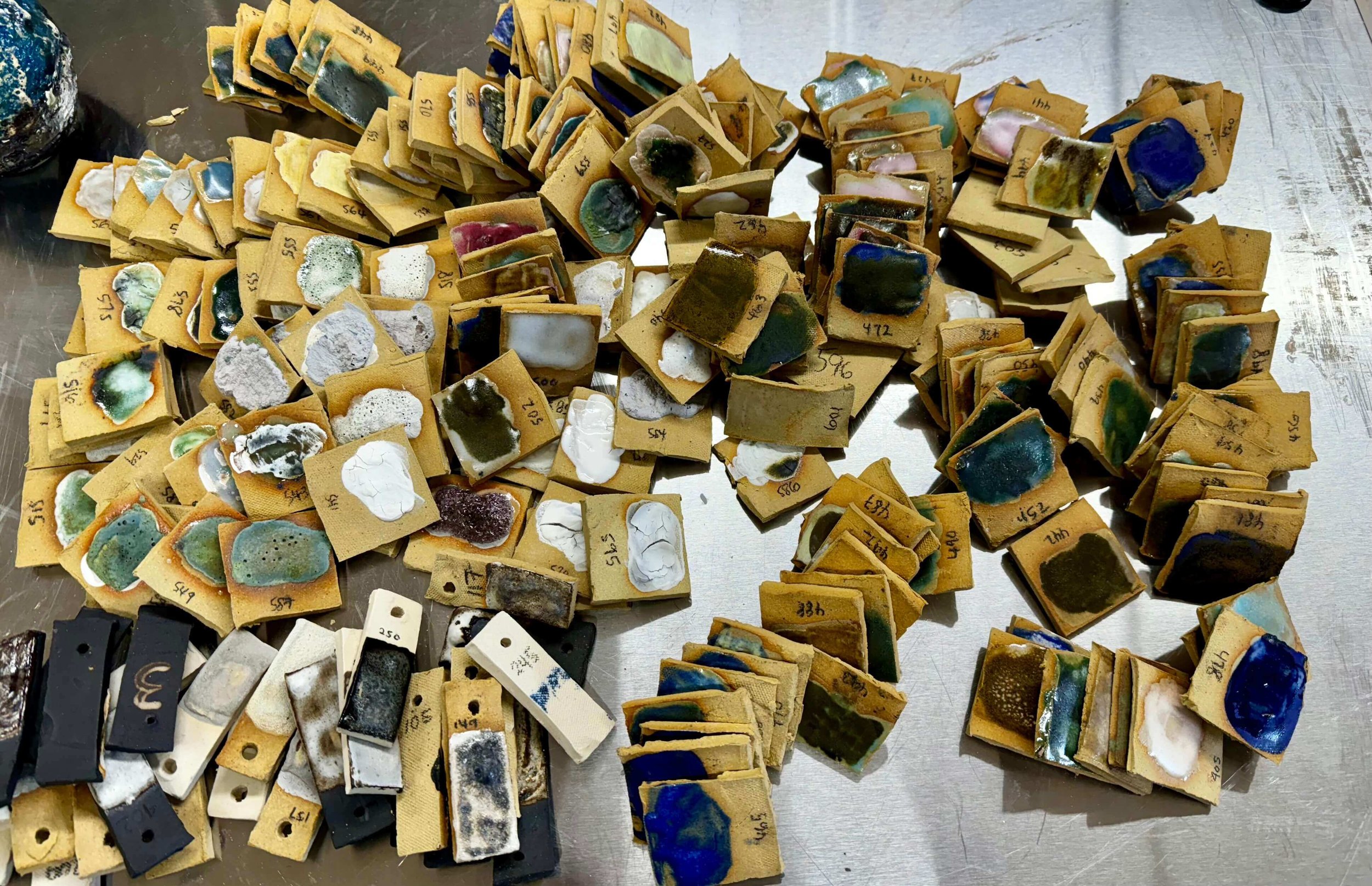
Join my Patreon, where I share personal glaze experiments — mostly cone 6 oxidation — including working lava glaze recipes, textured glaze tests, and honest results when things don't work.
Exclusive lava glaze recipes + glaze test results
Extended learning for students in my ceramics courses
A way to support my work as an independent ceramic artist
I post new tests 3-6 times a month, and sometimes do exclusive Zoom calls. Whether you're here to learn, connect, or support — welcome.
What Potters & Ceramic Artists Are Saying
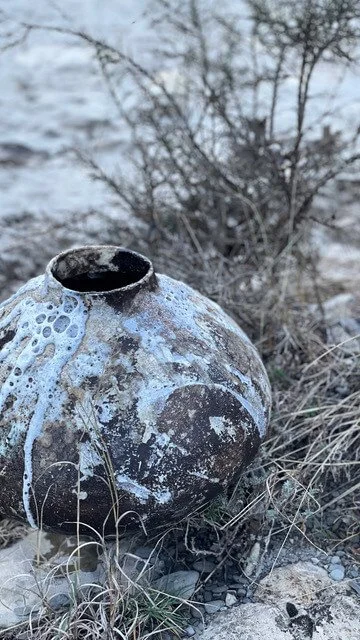
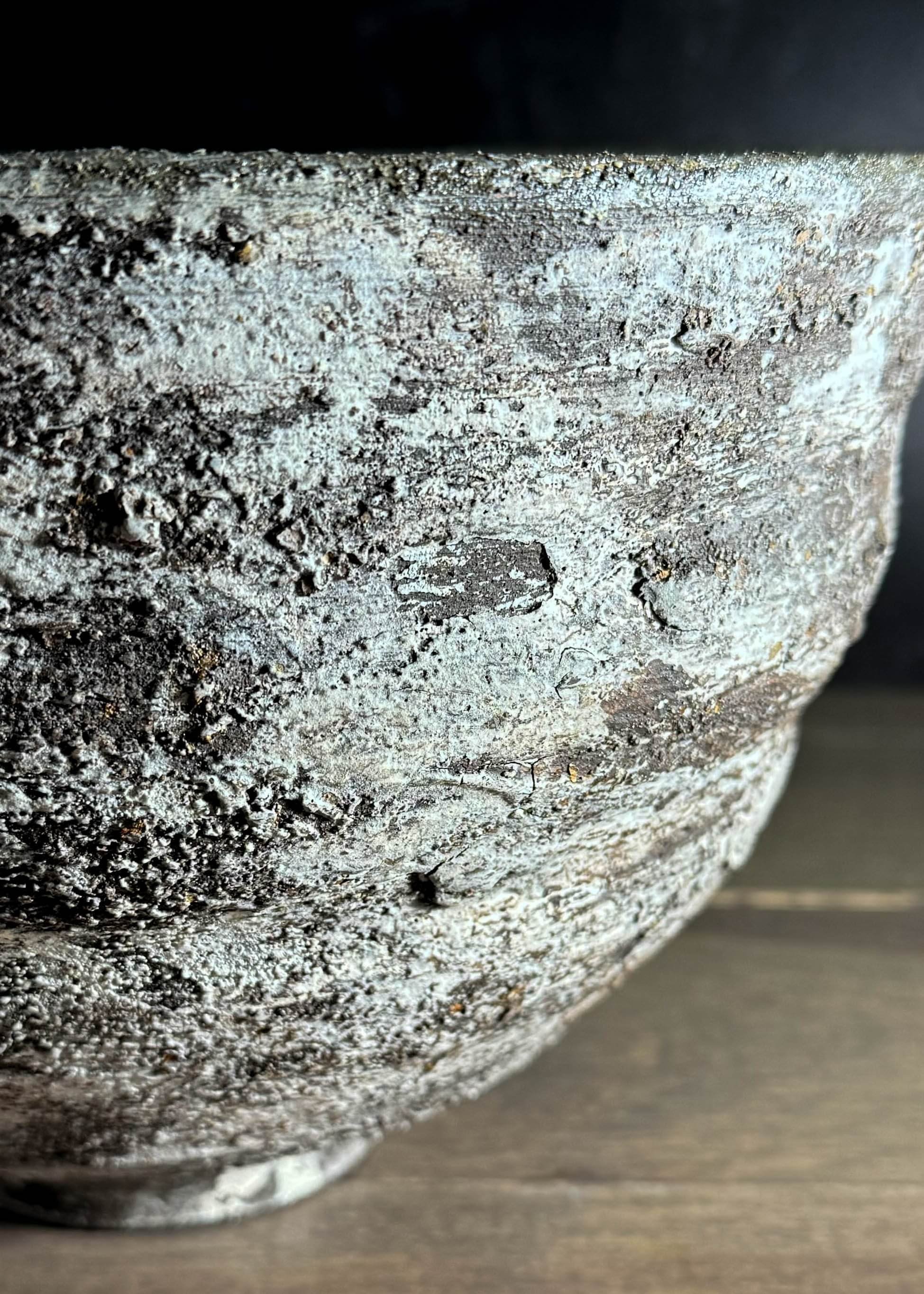
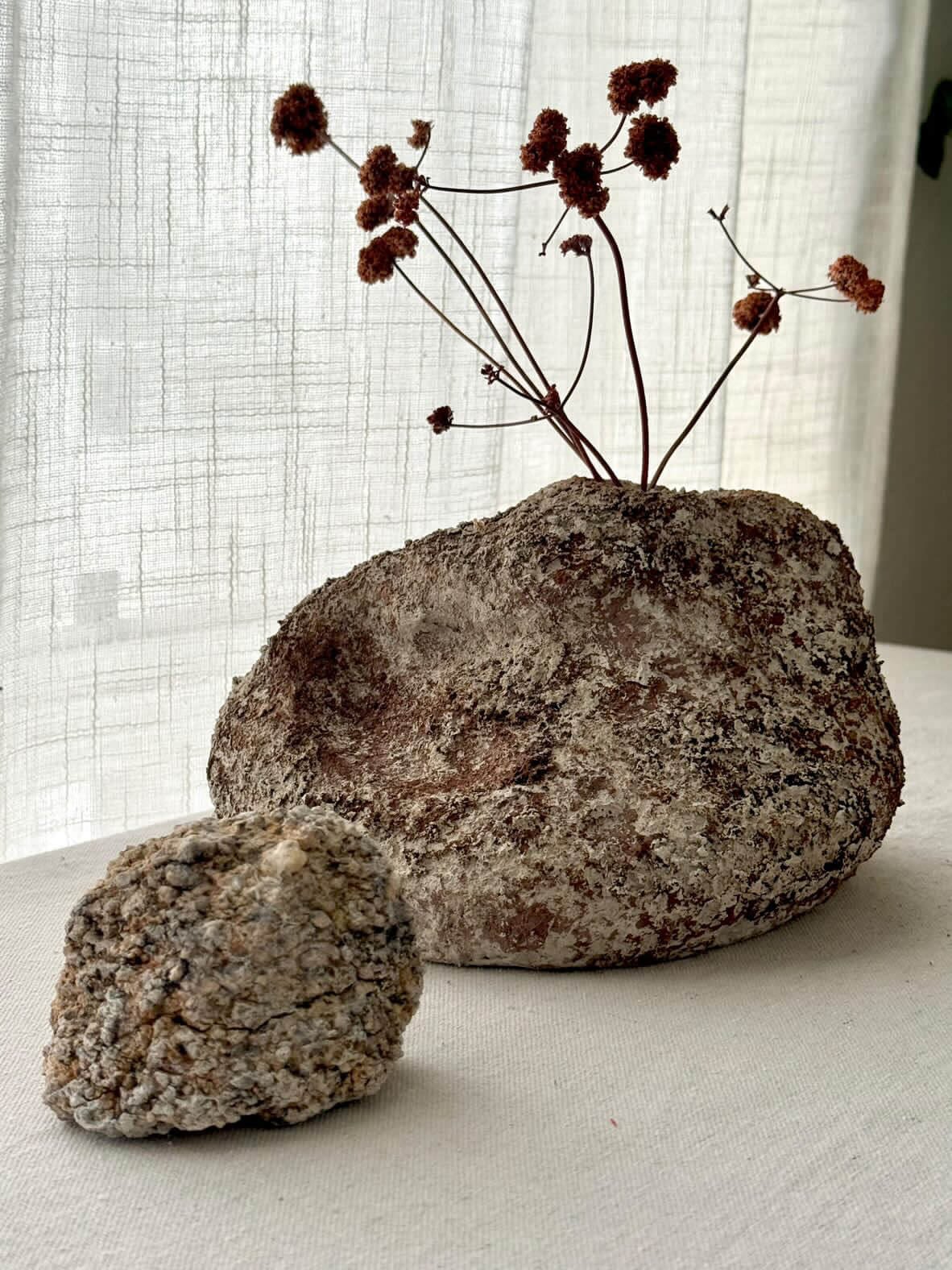
Student Work: Ceramic Techniques in Practice



FAQs
-
The course teaches ceramic texture techniques across two areas. Part 1 covers adding texture to pottery using natural materials - slips, rocks, sand, combustibles, and metal. Part 2 covers textured glazes including lava glaze, crater glaze, and volcanic surface effects.
-
This course is not exclusively about glazes; rather, it centers on creating textures through a variety of techniques, materials, and creative approaches. Although Part II of the course does include a substantial section on glaze basics—particularly helpful for those just beginning to mix and adjust their own glazes—it does not offer a fully comprehensive glaze calculation curriculum. If you already have significant glaze‑mixing experience, you may find that portion somewhat familiar.
Overall, this course highlights my own personal methods for achieving textural effects, rather than diving deep into advanced glaze theory.
-
No, the course is designed to cover all the foundational knowledge in the first section, and then in the second part, you'll learn how to create your own glazes. It’s a comprehensive process, not just a recipe. However, check out my Patreon subscription if you’d like to learn specific recipes.
-
I typically fire at cone 6 oxidation in an electric kiln. However, I have experience with firing cones 8-10, gas kiln reduction, and wood firing. Since I teach techniques rather than specific recipes, this course is suitable for any type of firing.
-
The course is suitable for any type of firing atmosphere. I teach techniques that you can later adapt to fit your specific kiln settings and environment.
-
You should be able to make basic shapes that you want to decorate, but other than that, this course is suitable for all experience levels, from beginner to advanced.
-
The first part of the course is designed to be covered in 4 weeks, and the second part takes an additional 4 weeks. Depending on your plan, you will have varying lengths of access to the course content. The course is self-paced but I do recommend following the suggested timeline.
-
Yes, you can! It’s $15/month and you get a discount if you sign up for my Patreon. Just send me an email and I’ll send you the link.
-
Yes, you can upgrade your plan! I’ll remind you of deadlines so you can make that decision when needed.
-
The course content is condensed to save you time. Lectures range from 25 minutes to 1.5 hours per week. As for studio time, it’s recommended to spend 1-3 hours per week creating new experiments and testing, based on the course materials.
-
While subtitles are not available, I provide downloadable transcripts for all videos, which you can translate into your preferred language.
-
Most of the first part doesn’t require special equipment, but for the second part, basic tools like scales for glaze mixing will be necessary.
-
Yes, if you find the course isn’t what you expected or if you're truly unsatisfied, you can request a refund within 15 days of purchase. However, I’m confident you’ll enjoy and benefit from the content!
-
Yes, just send me an email, and we can arrange a payment plan.
-
Yes — Part 2 of the course covers lava glaze and other textured glaze effects in detail. You'll learn how lava glaze works, what variables change the result, and how to adapt it to your own kiln and clay body. If you want to go deeper into lava glaze specifically, the Glaze is Lava is a dedicated mini-course on that topic.
-
No. Part 1 of the course covers ceramic texture techniques without any glaze chemistry at all — just materials, slips, and physical surface work. Part 2 introduces glaze chemistry from scratch in a practical, visual way. No prior chemistry knowledge needed.