
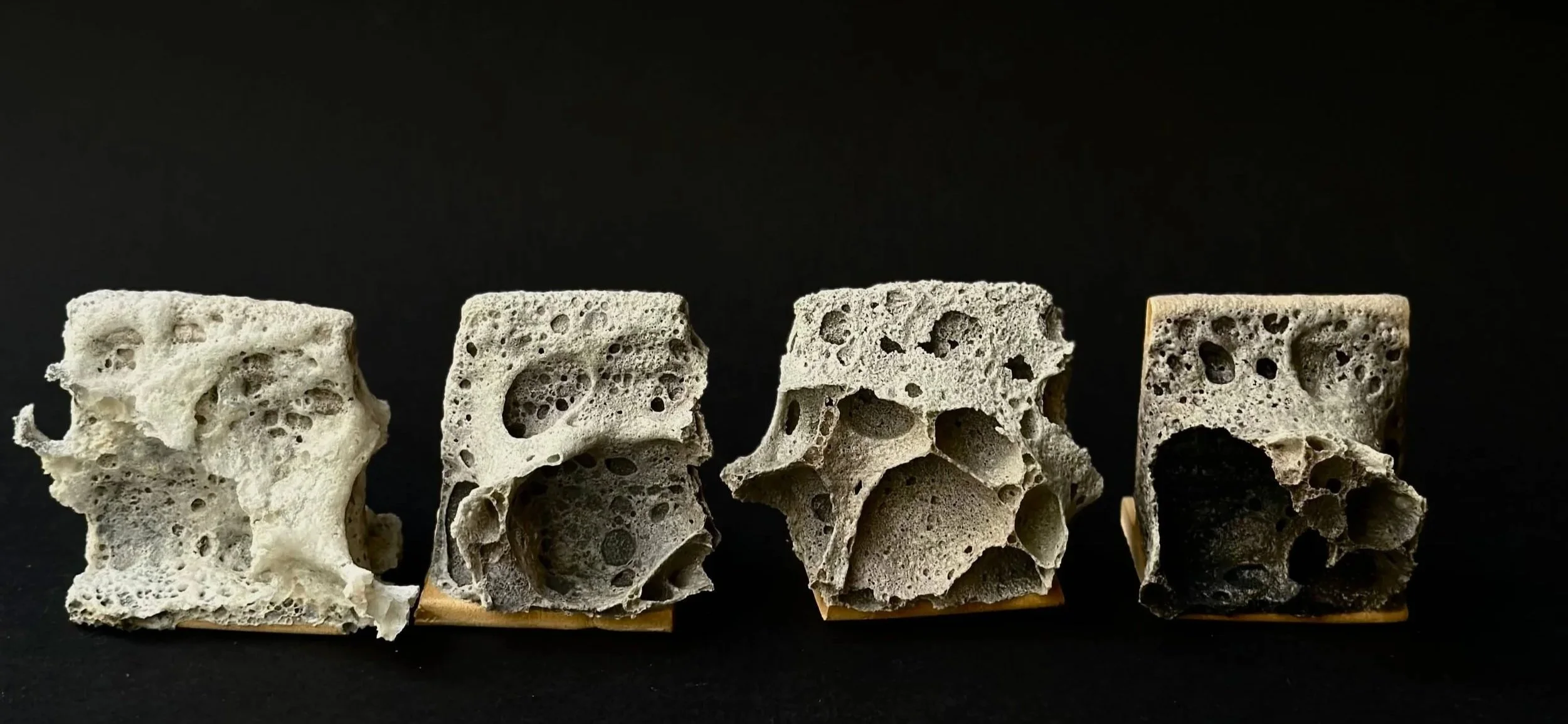
The Glaze is Lava
learn how to make lava glaze, crater glaze, and volcanic ceramic textures — a research-based online course
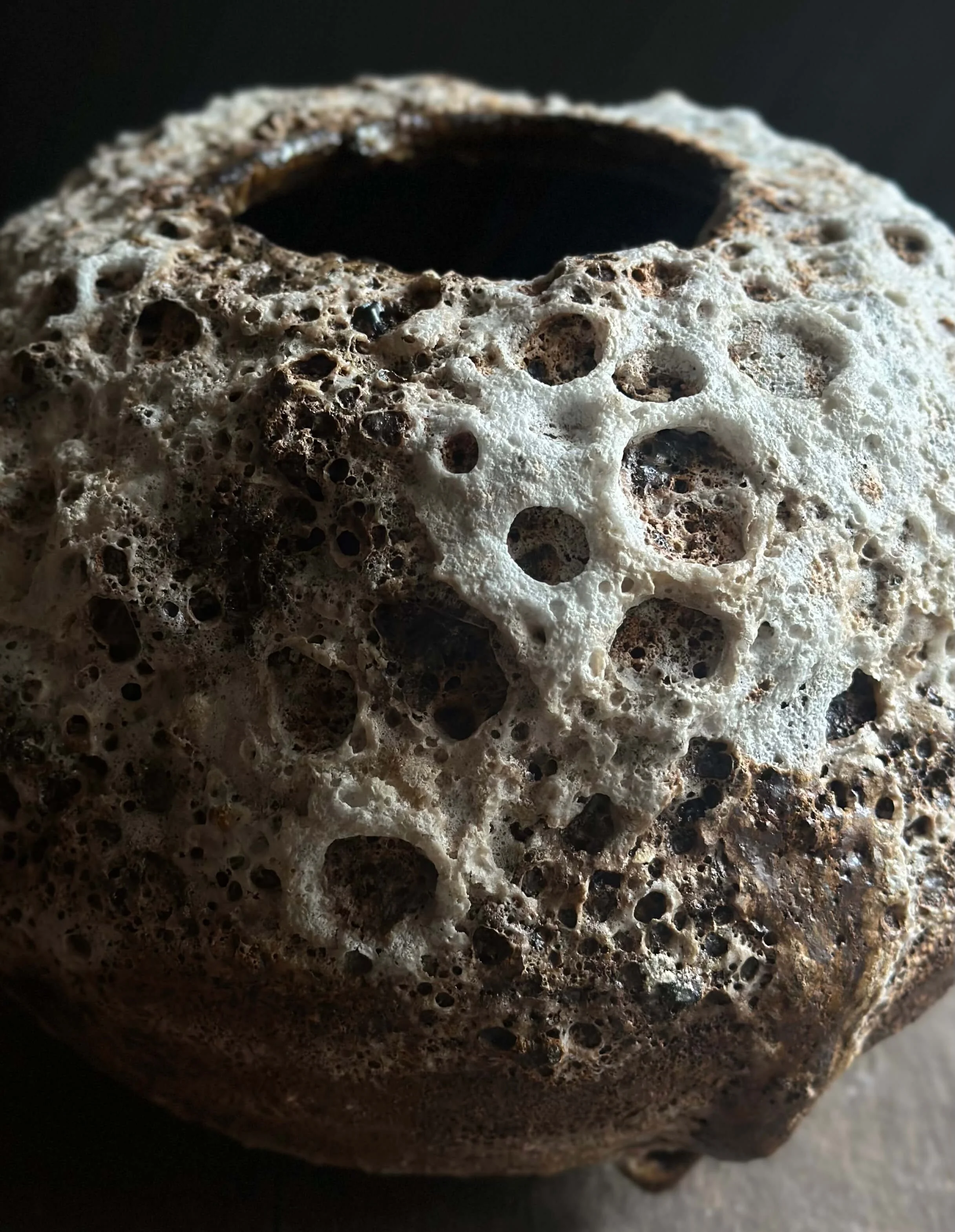
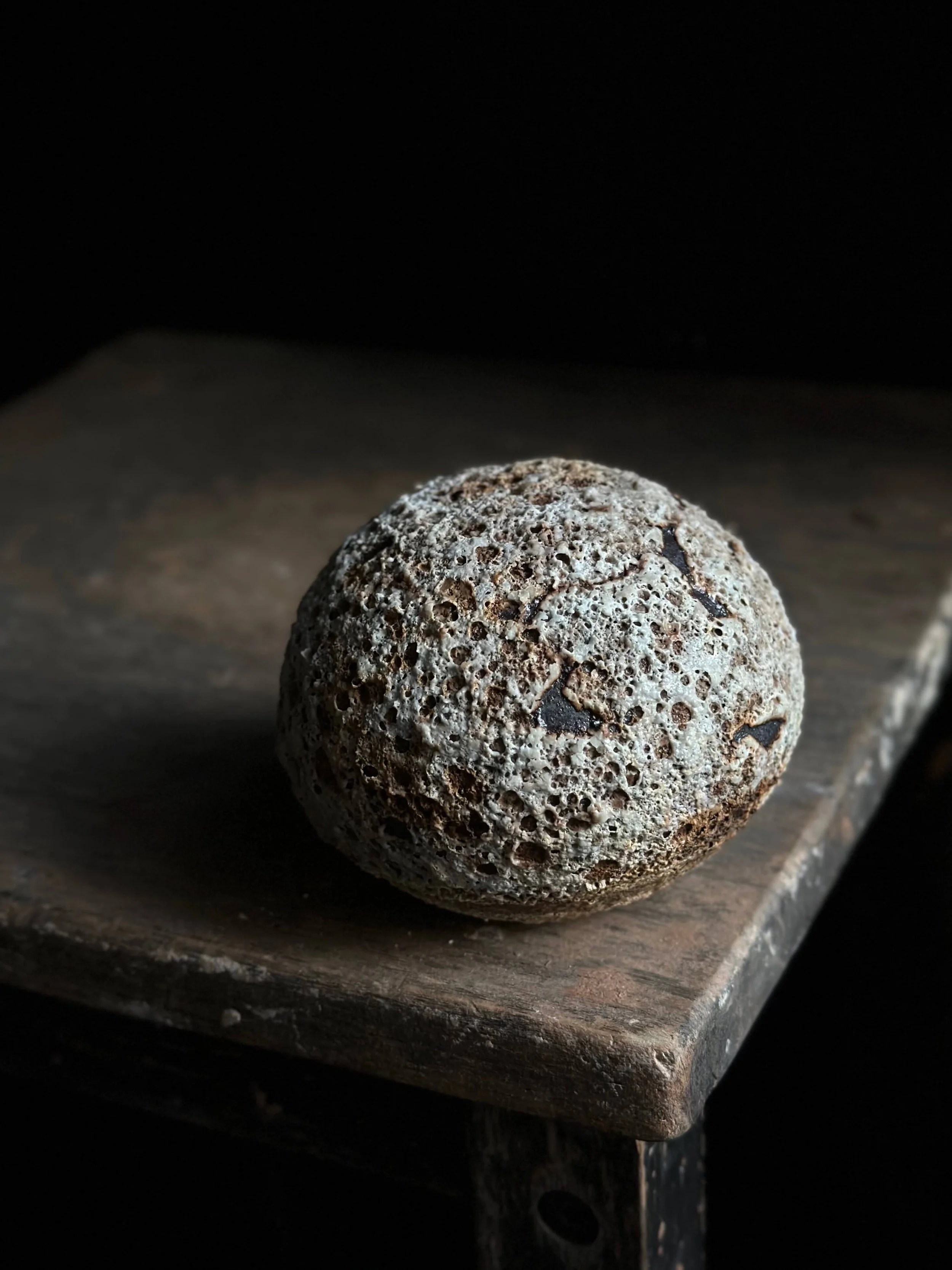
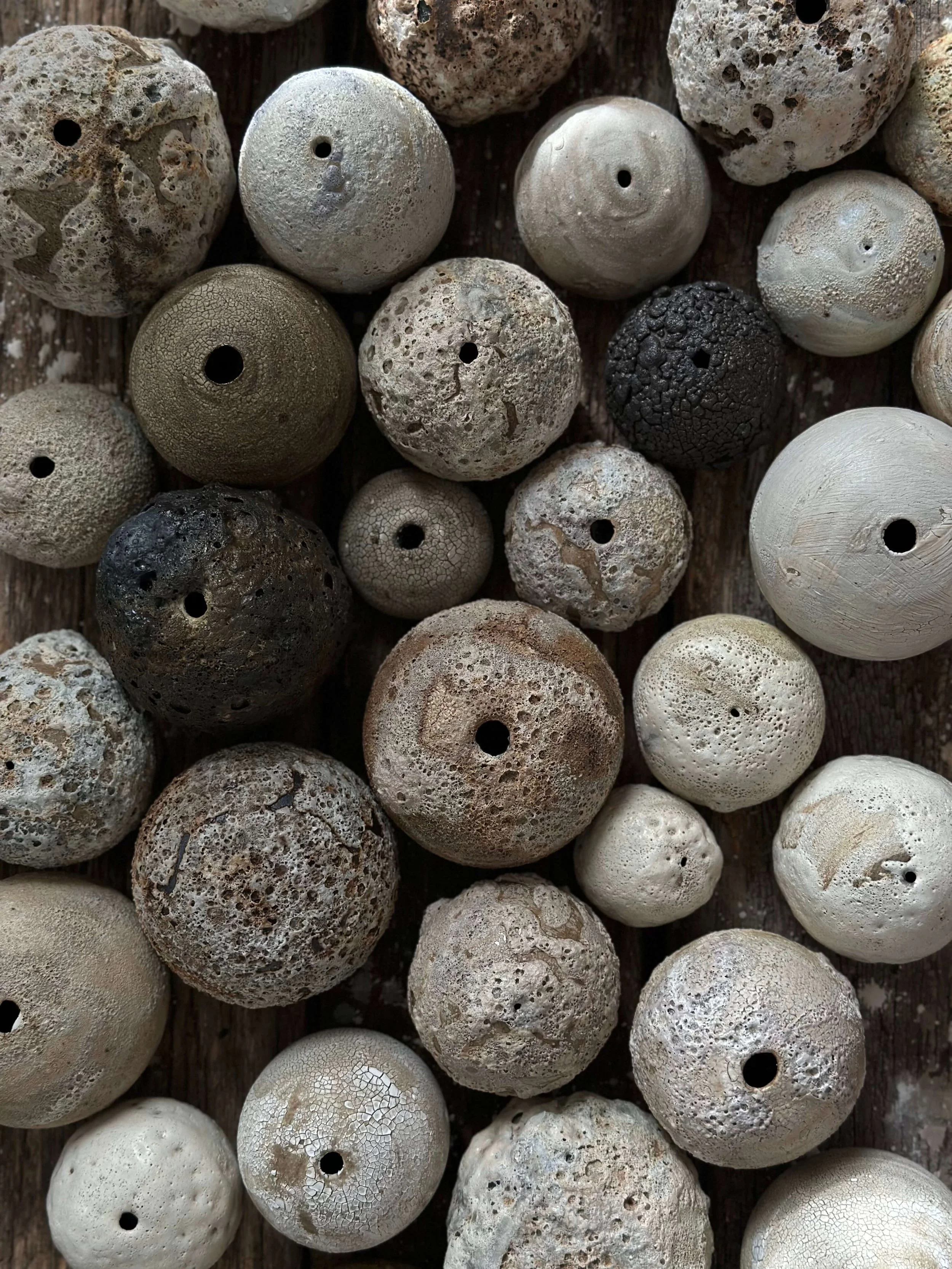
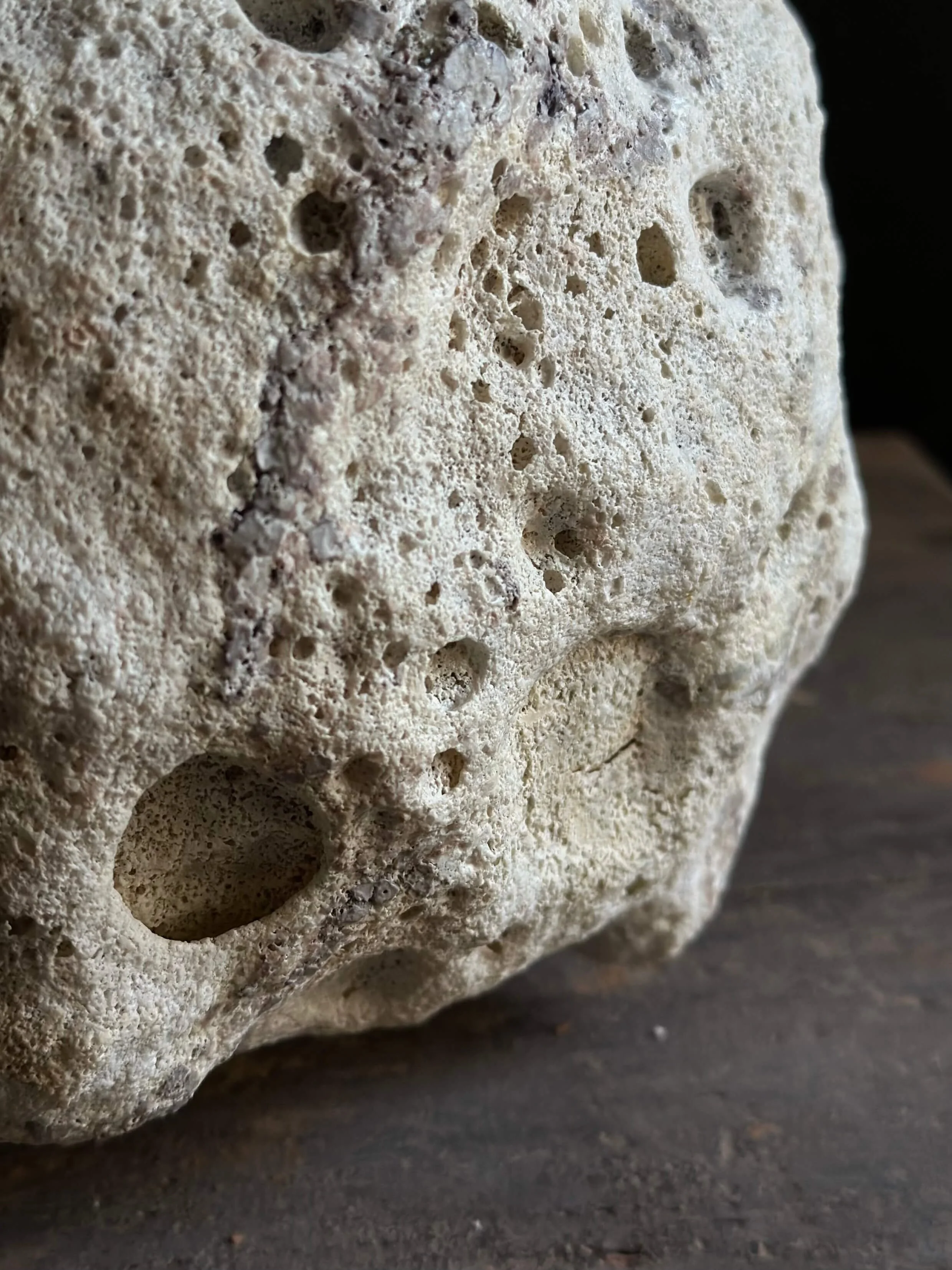
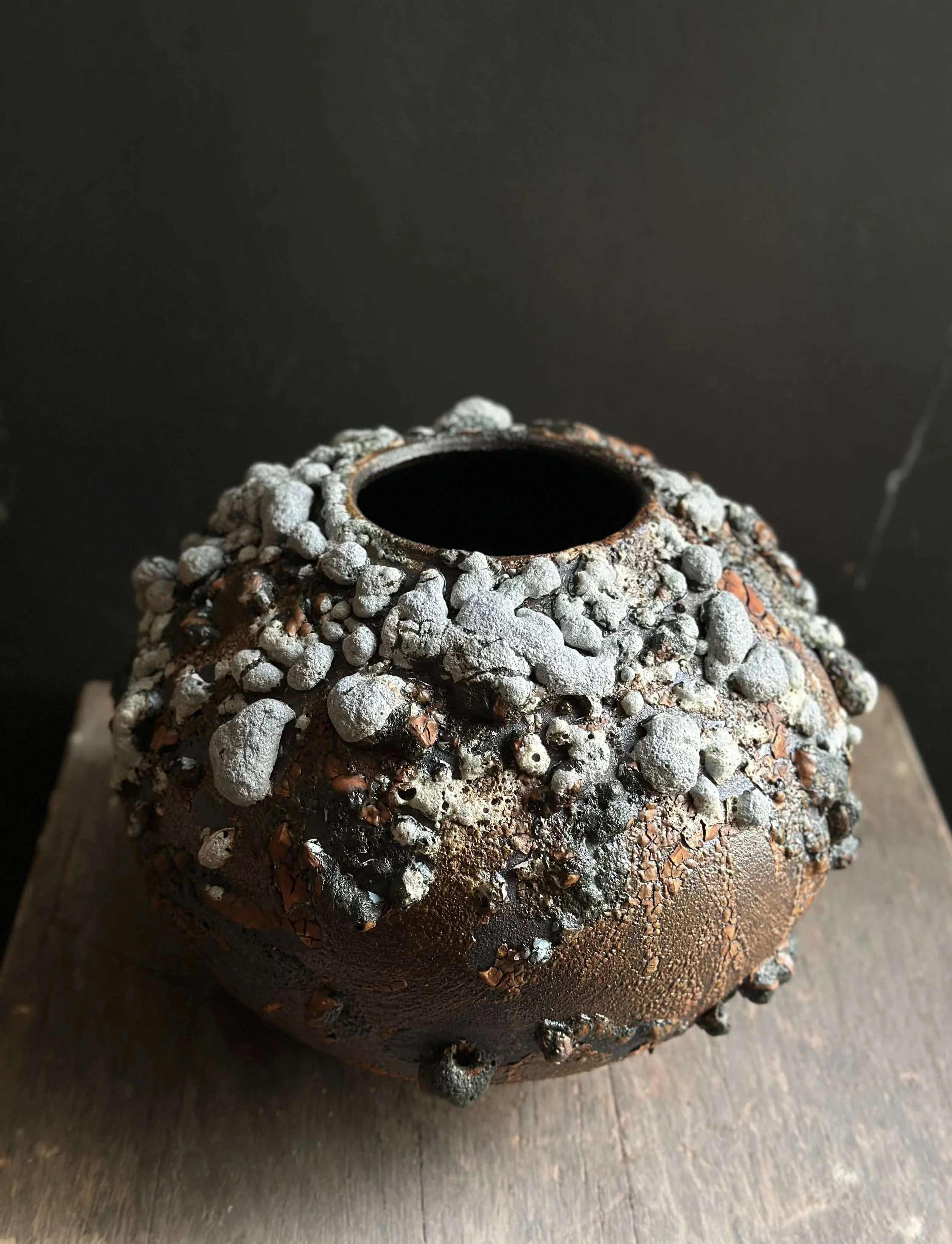
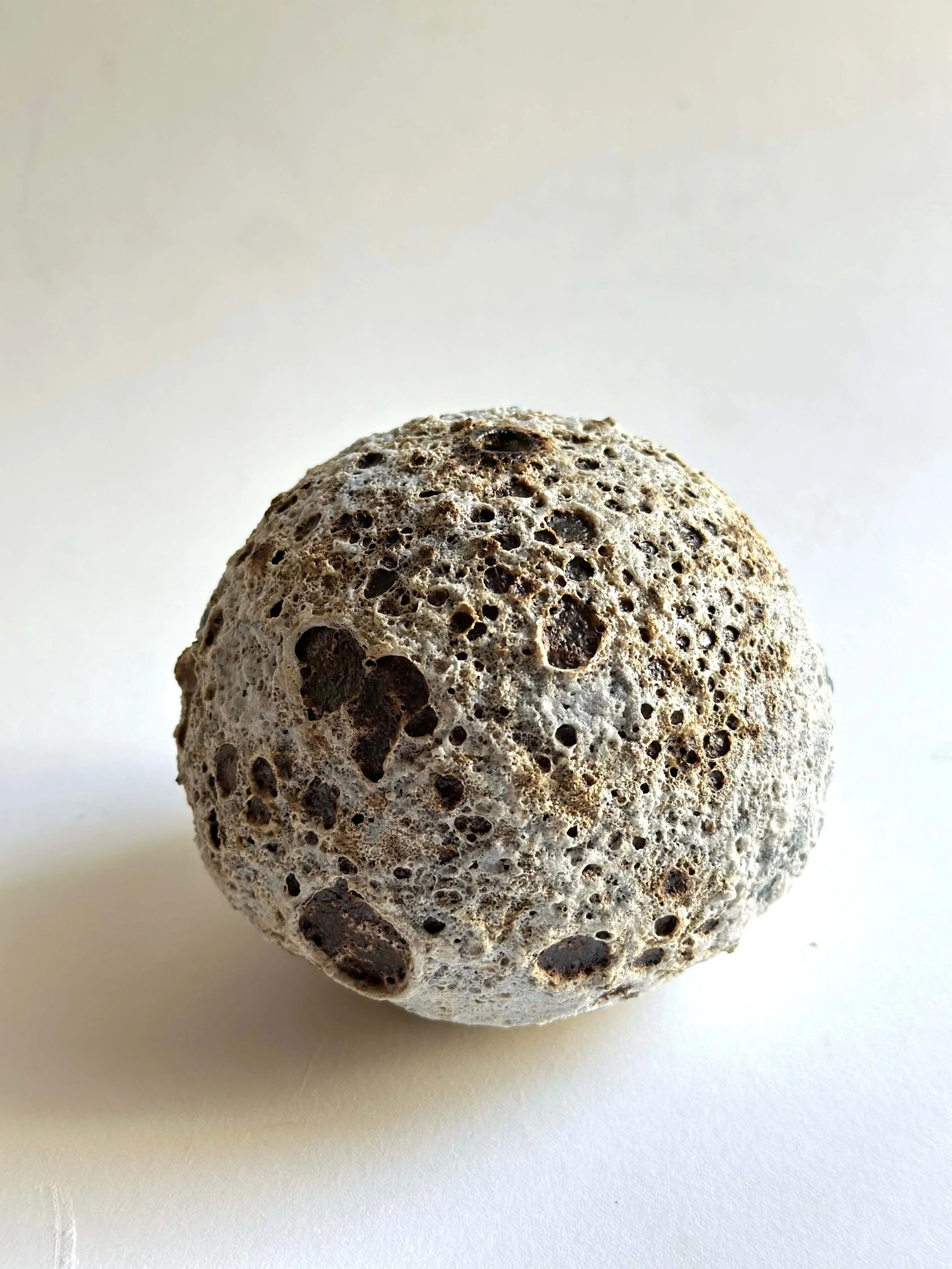
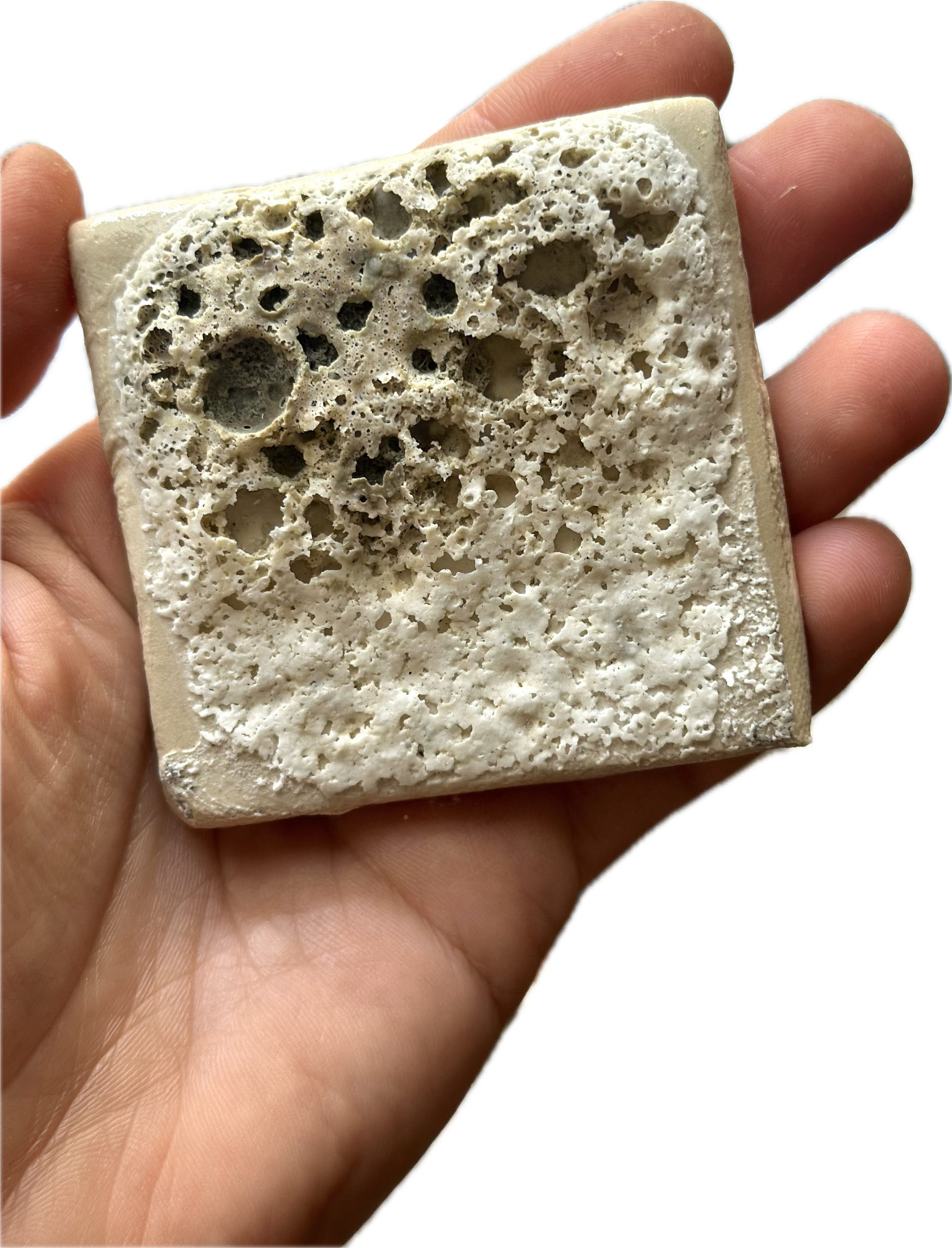
Have you seen those volcanic, puffy, crater ceramic textures like lava rock, coral, or tiny meteorites?
If you're drawn to pottery with rough, puffy surfaces that look like volcanic rock, lava, or alien craters — and you want to learn how to make them deliberately and repeatably — this course was built for you.
Many of these effects come from one simple additive: silicon carbide (SiC). In this 5-6 hour online ceramics course, we focus on lava glaze and other silicon carbide special effect glazes (also called magma, crater, or volcanic glazes).
From Lava Effects to a Repeatable Method
This lava glaze course exists because SiC-based glazes are my favorite playground — small tweaks create big changes, and understanding why gives you control over hundreds of unique ceramic textures.
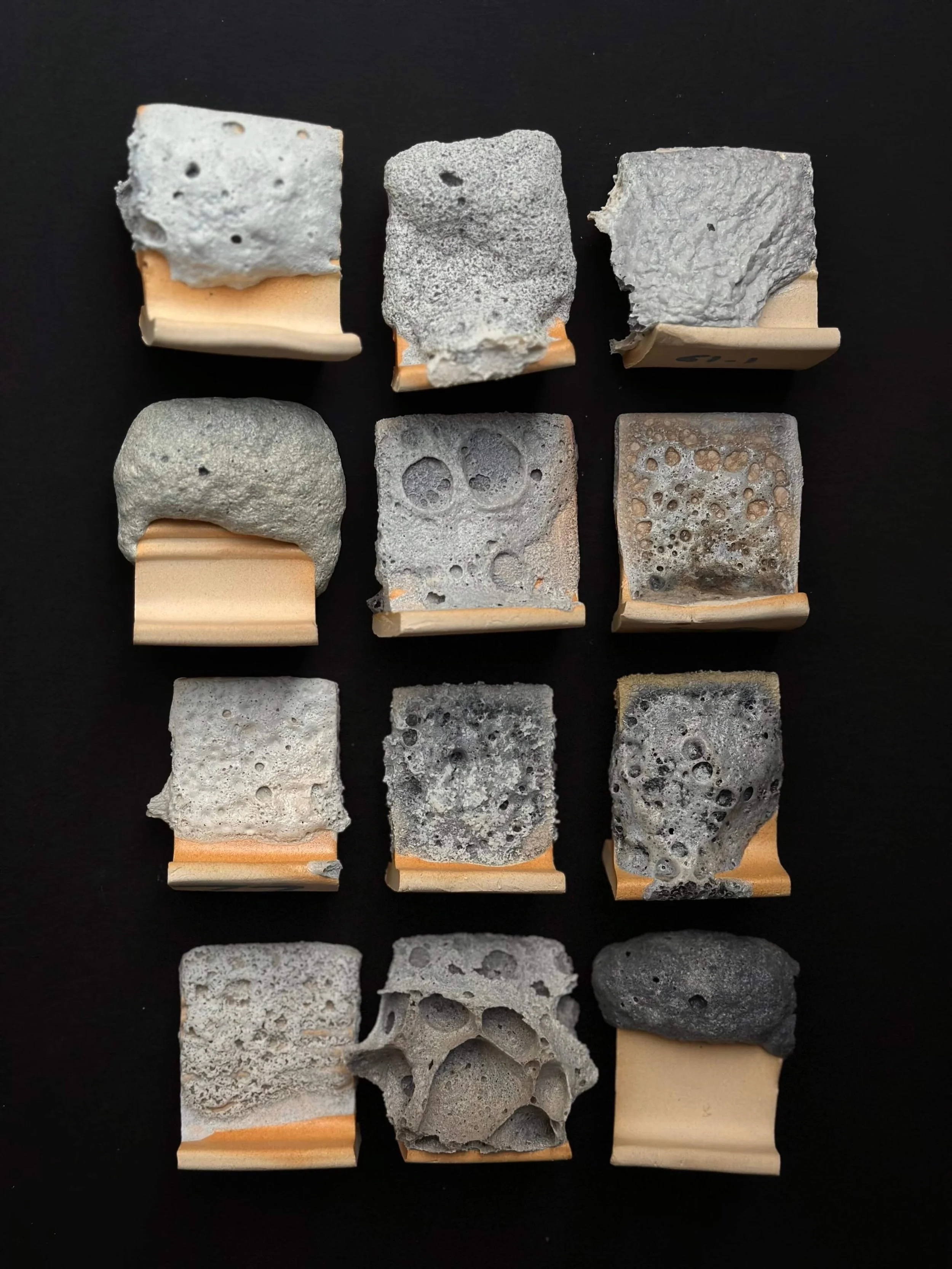
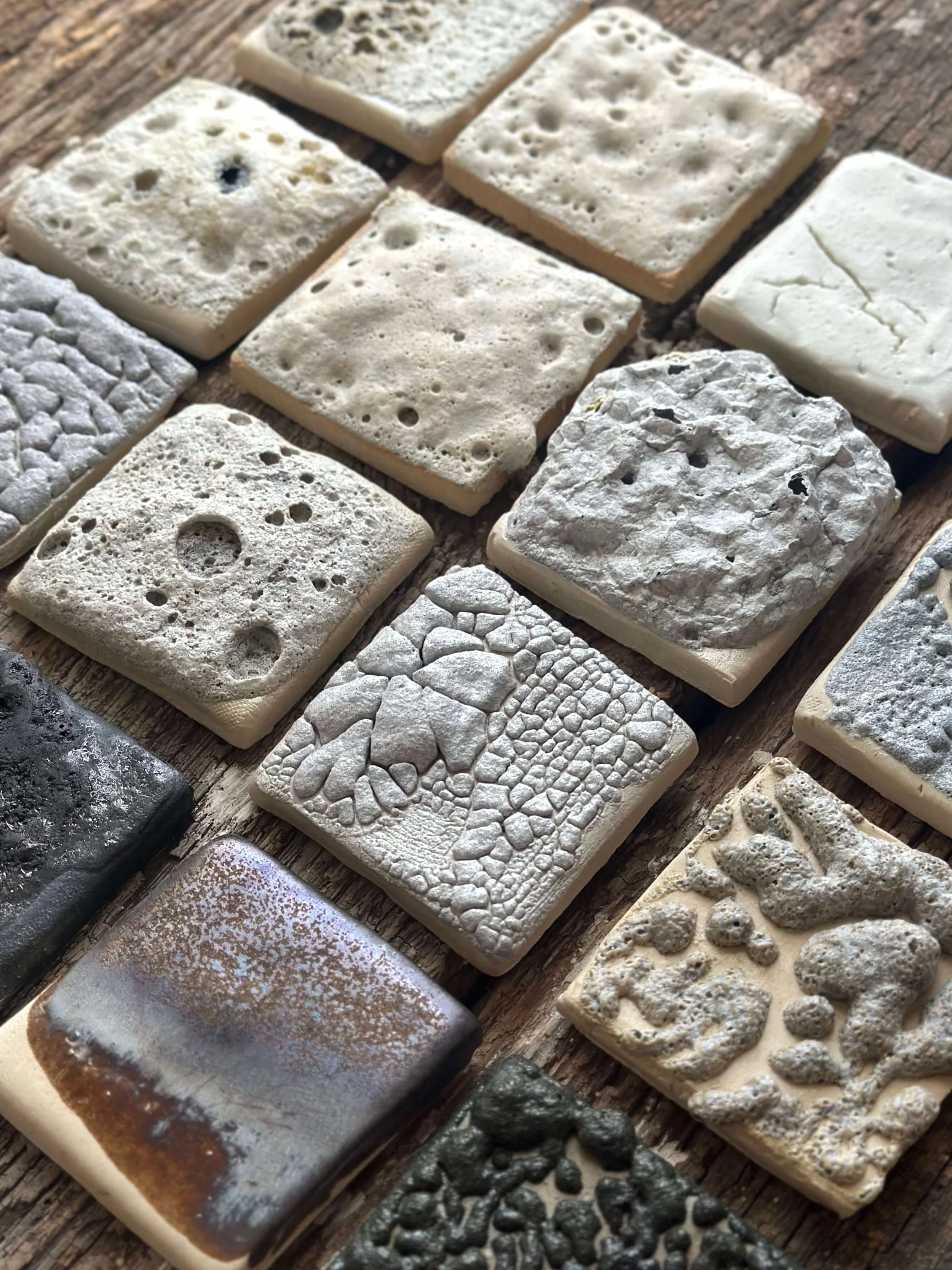
Rather than offering a one-size-fits-all recipe library, this course distills insights from 1,000+ tests to save months of trial and error - showing what variables to test first and how to troubleshoot common failures.
It also includes guidance for modifying students’ own recipes when results don’t work in their specific kiln. Best for cone 5-8, non-functional surfaces.
It’s not just one glaze. It’s a method for discovering hundreds of unique, repeatable ceramic textures through smart experimentation.
If you have ever done a course or a workshop with me, email me at maria@loramceramics.com for an additional discount.

Course Structure
What is a lava/crater/magma glaze?
Types of volcanic effects: SiC, baking soda, cryolite, crawls
How SiC works: gas formation and melt
Glaze chemistry essentials: Si:Al, R2O:RO, oxides.
If you’re not familiar with glaze chemistry, I strongly recommend taking my Textures in Ceramics first.
Key variables that change results: Si Al ratios, R2O:RO ratios, types of flux, SiC amount + mesh, titanium/rutile, colorants, thickness/water content
Application: layering, kiln programs, clay body
Troubleshooting: grey color, bubble size, frothing
FAQs
-
A lava glaze (also called crater glaze, magma glaze, or volcanic glaze) is a special effect ceramic glaze that creates a rough, bubbly, raised surface texture — like lava rock, coral, or a meteor crater. The effect comes from silicon carbide (SiC), a material that releases gas as the glaze melts, causing it to bubble and freeze in texture. Lava glazes are non-functional and best suited for decorative ceramics, sculptures, and art vessels fired between cone 5 and cone 8.
-
The course is a deep, research-based breakdown of lava/crater glazes, built around lots of test tiles and what they reveal. You’ll learn the key variables that change results (SiC amount/mesh, chemistry balance, thickness, firing factors) and exactly what to tweak when your lava isn’t bubbling, is too grey, or the texture isn’t right.
-
If you want to learn how to design/run tests, tile systems, workflows, and the overall glaze chemistry - sign up for my Textures in Ceramics course.
For recipes and ongoing test results, join my Patreon.
-
You should be familiar with glaze mixing and glaze chemistry to get the most out of this course. If you feel like you’re lacking knowledge, you can purchase this course together with my Textures in Ceramics course.
-
Lava glazes tend to work best around cones 5-8, so most of the test tiles in this course are fired to cone 5-6. With the right approach, you can get similar effects as low as cone 06 and as high as cone 10. I’ll explain what to adjust to adapt the glaze to your temperature, but this course doesn’t include extensive research or large experiment sets for every cone range.
-
While subtitles are not available, I provide downloadable transcripts for all videos, which you can translate into your preferred language.
Looking for lava glaze recipes?
Join my Patreon is where I share my personal glaze experiments - mostly Cone 6 oxidation - including both wins and failures, straight from the kiln. You'll find:
Exclusive glaze recipes + test results
Extended learning perks for students in my courses
A way to support my work, even if you’re not collecting ceramics
I post new tests 3-6 times a month, and sometimes do exclusive Zoom calls. Whether you're here to learn, connect, or support - welcome.