100 Ways to Make Money as a Ceramic Artist (And Why Most People Only Know Three)
Want the free downloadable checklist version of everything in this post? Skip ahead — it's linked further down, no email required to read this article first.
Download Free PDF
Download Free PDF Checklist ↓

Maria Loram during her workshop in Bali. Credits: Mahteh Ceramics
Every few weeks, the same conversation pops up in ceramics Facebook groups: "Can you actually make money as a potter?" And every time, the replies split into two camps — a wall of "no, keep your day job," and one or two people quietly saying they're making six figures doing exactly that.
The truth sits in between. Making a living in ceramics is absolutely possible — but almost nobody making it work is doing it through one channel. I currently run somewhere between fifteen and twenty income streams from my ceramics practice, and most of them have nothing to do with standing at a market table waiting for someone to buy a mug.
In my latest YouTube video, I walk through 100 different ways ceramic artists and potters can earn — and I mean genuinely earn, not "sell enough pots to cover your clay bill."
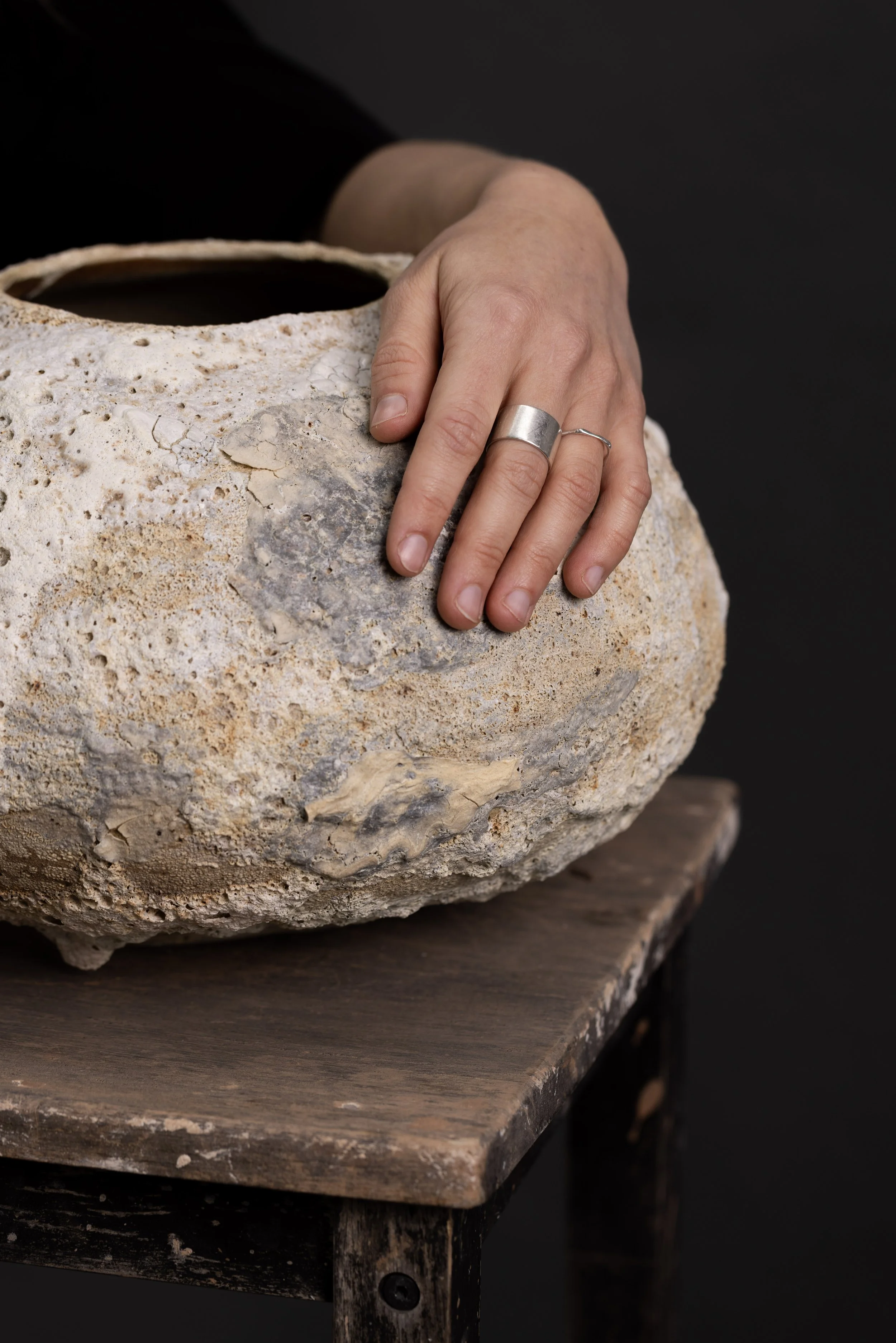
Ceramic Object
Selling isn't one thing.
Direct-to-consumer (your own website, Instagram, Etsy, even higher-end platforms like 1stDibs), retail and stockist relationships, wholesale and trade channels, galleries, and commissions are all separate skill sets — and most ceramic artists only ever try one or two.
Teaching is bigger than workshops.
In-person intensives, prerecorded courses, one-on-one tutoring, mentorship, affiliate teaching, paid speaking — knowledge-sharing alone breaks down into a dozen different paths, and it's one of the most underrated income sources in this field.
Recurring income changes everything.
Patreon, membership communities, subscriptions, digital downloads — these are the income streams that keep paying you while you're at the wheel, on a residency, or (in my case right now) growing a small human.
There's a whole world beyond the obvious.
Licensing your designs, producing your own glazes or tools for sale, studio rentals and kiln-firing services, corporate gifting, grants and residencies, even crowdfunding — these rarely come up in "how to sell pottery online" conversations, but they're real, active income paths for working ceramic artists.
I go through all 100 — with real examples from my own practice — in the full video.
Thinking About Building Your Ceramics Business?
This is the kind of breakdown I wish someone had shown me when I was starting out. If you're a ceramic artist working on the business side — pricing, fairs, expenses, building a sustainable studio practice — I'm planning to offer 1-1 mentorship sessions in the future. Drop me an email at maria@loramceramics.com and I'll let you know when spots open.
In the meantime, if you want to develop your technical ceramic skills alongside the business side, I teach two online courses: Textures in Ceramics covers surface decoration from natural materials to lava glaze, and The Glaze is Lava goes deep on volcanic and crater glaze effects.
Go Deeper
If you want to build the technical foundation that makes a lot of these income paths possible — teaching, licensing, digital products, knowledge-sharing — that's exactly what I cover inside my courses:
Textures in Ceramics — an 8-week course building a real vocabulary of ceramic surface technique, from natural materials through glaze chemistry.
The Glaze is Lava — my deep dive into lava glazes, crater glazes, and special effect surfaces.
And if you want the ongoing material — recipes, test results, behind-the-scenes from my own business — that's what my Patreon is for.
What income streams are you currently relying on — and which ones have you never tried? I'd love to hear on Instagram.
About the Author
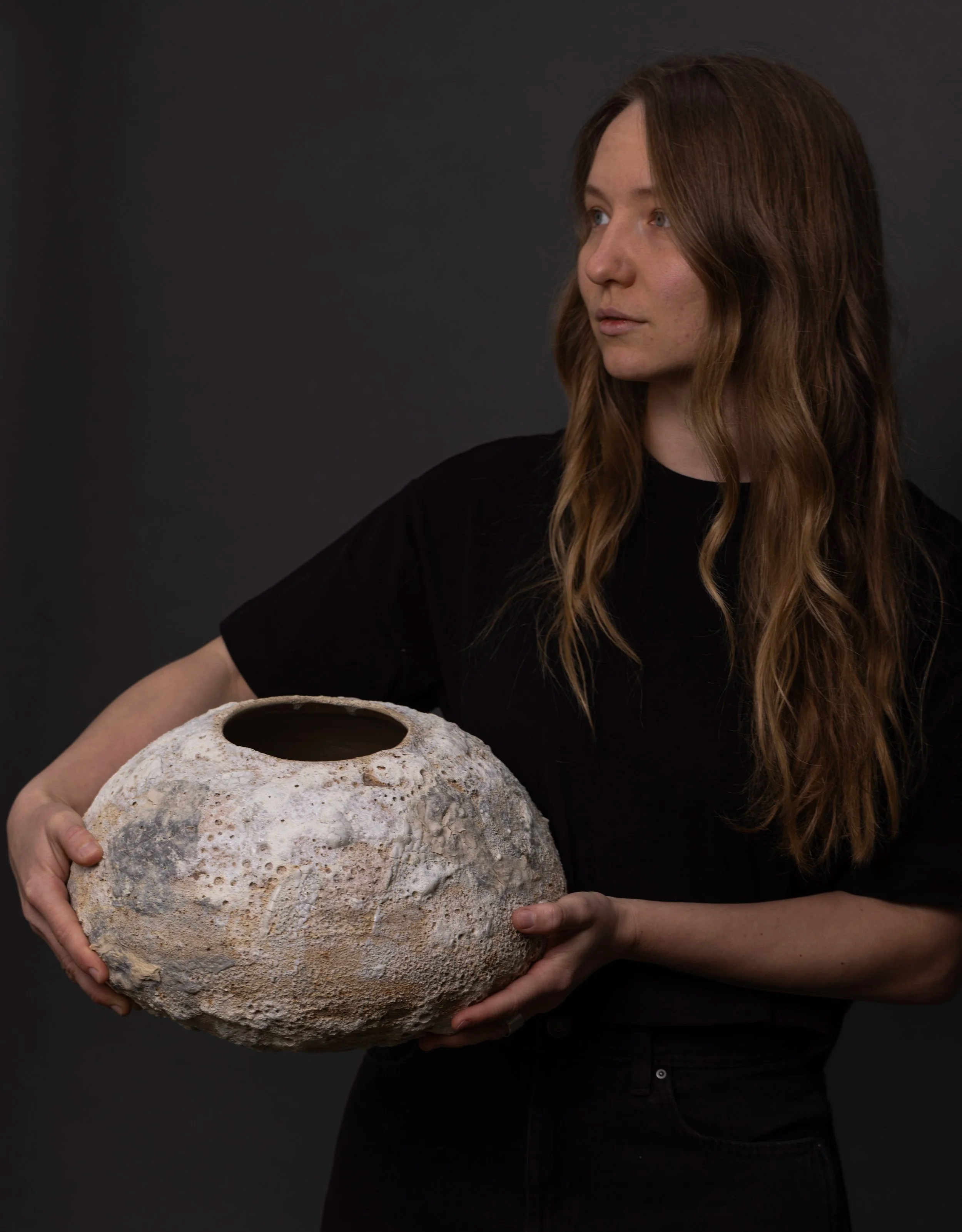
Hi, I’m Maria — a ceramic artist based in the US. I make sculptural lighting and hand-built vessels, and I share my studio process online.
I teach ceramics internationally and online. → loramceramics.com
This checklist is part of a growing library of free guides for ceramic artists and makers.