Tax 101 for Ceramic Artists: Deductions, Bookkeeping, and What to Track
Quick disclaimer before we start: I'm not a CPA, and nothing here is professional tax advice. What I can offer is what I actually do — what I've figured out from filing my own taxes as a self-employed ceramicist, what I wish someone had told me earlier, and where I think it's worth spending an hour to understand properly. If your situation is complicated, hire an accountant. It's a deductible business expense and it earns its keep.
For everyone else starting out: here's the practical version.
Download Free PDF
Download Free PDF Checklist ↓
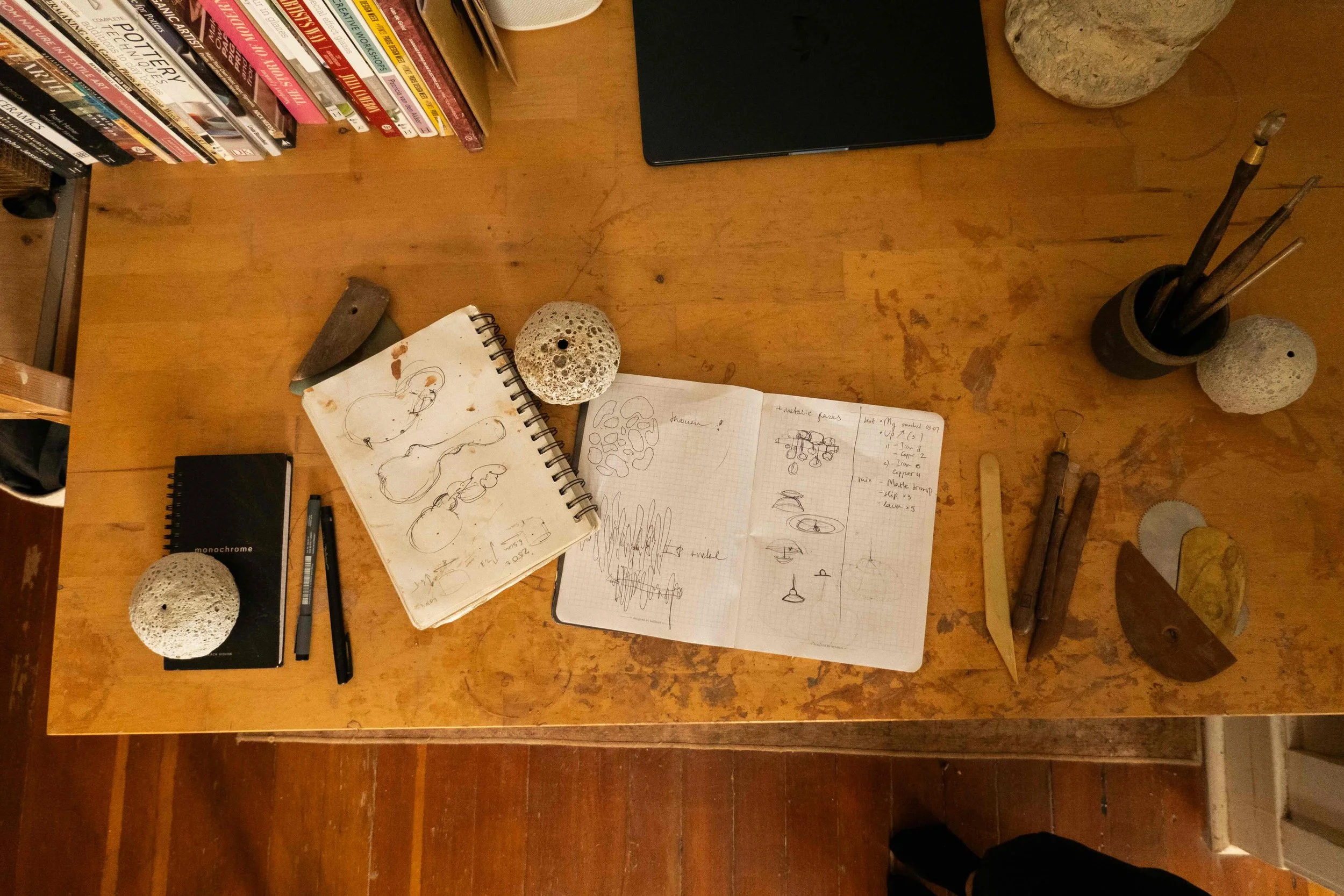
Maria Loram in her home studio. Credits: Agathus Studios
Business Structure: Where Most Ceramicists Start
Most ceramic artists begin as sole proprietors — no formal setup required, income goes on your personal return, simple. It's fine for the early years. An LLC (Limited Liability Company) makes sense later: it separates your personal assets from your business liabilities, which matters more once you're dealing with physical product, clients, and meaningful income. I was advised not to open one until I was at around $150,000 gross annual income — partly because in California, an LLC costs $800 a year just to exist, regardless of what you earn.
Whatever structure you're in: open a separate business bank account. Do it early — earlier than I did. When your personal and business expenses are on the same card, bookkeeping is tedious and error-prone. When they're separate, it's straightforward. A business bank account also makes your deductions defensible, which matters if you're ever audited.
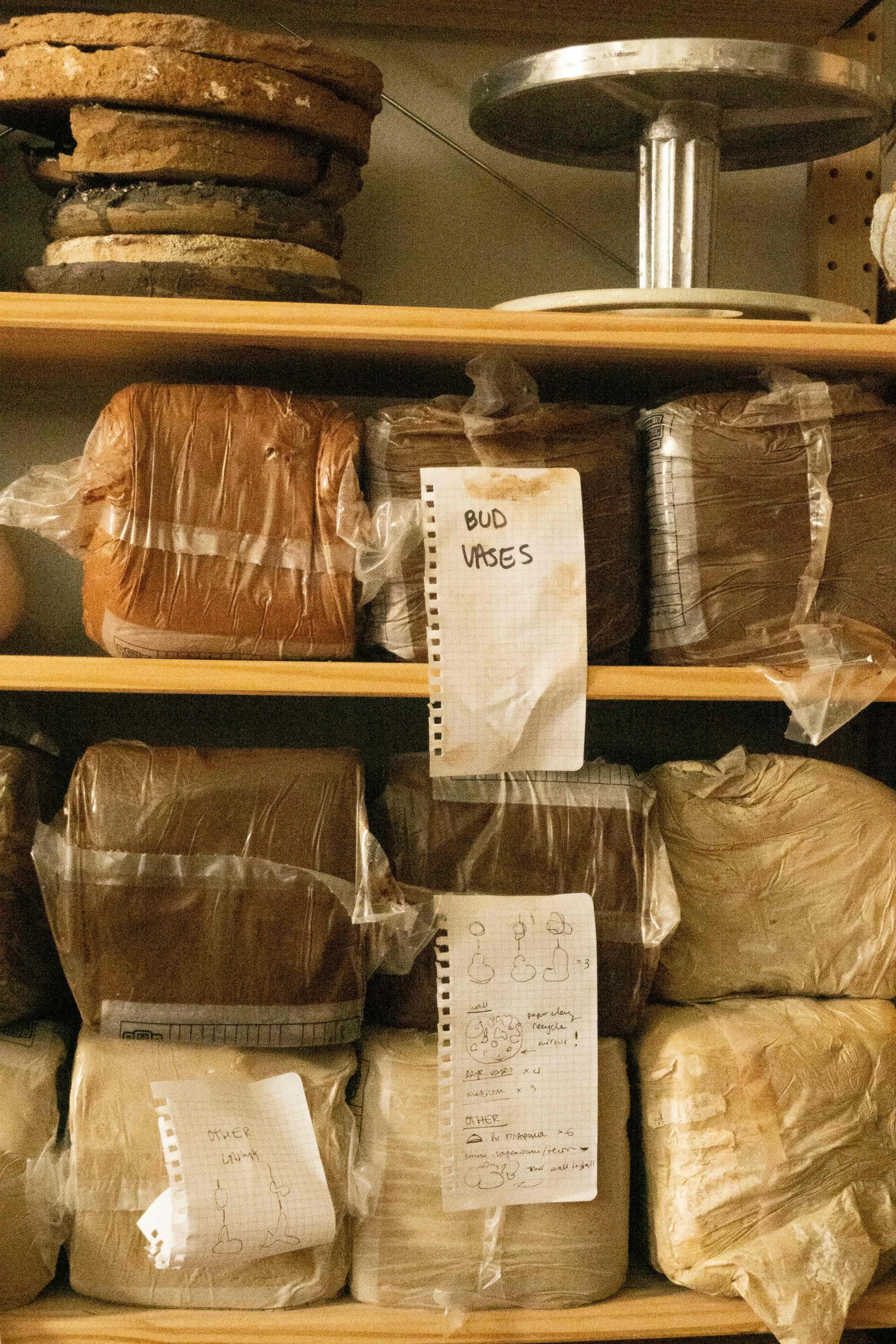
Maria Loram’s Studio. Credits: Agathus Studios
What Ceramic Artists Can Actually Deduct
The list is longer than most people realize. Here's what to know:
Materials and supplies — clay, glazes, tools, packaging, wire, paper for lamps, kiln furniture. Everything you buy to make the work is a business expense.
Equipment — kilns, wheels, shelving, cameras, laptops, air purifiers. Large equipment may need to be depreciated over several years rather than deducted all at once; TurboTax walks you through this.
Home studio / home office — this is one of the most underused deductions for ceramicists who work from home. Calculate the square footage of your dedicated studio space as a percentage of your total home, then apply that percentage to your rent, utilities, and internet. The space has to be used regularly and exclusively for work — a dedicated studio qualifies easily. Write down the square footage now if you haven't.
Mileage — every work-related drive counts: markets, supply runs, client meetings, gallery drop-offs. The IRS mileage rate changes yearly ($0.67/mile in 2024). Log it the same day: date, destination, purpose, miles. A notes app or a mileage tracker works fine.
Marketing and platform fees — Etsy fees, Squarespace subscription, 1stDibs commissions, booth fees, application fees for juried shows, business cards, Instagram ads. All deductible.
Software — ChatGPT, Canva, Adobe, Descript, Zoom, video editing apps, photo editors, any tool you use for the business. Keep the receipts.
Education and professional development — courses, books, workshops, conference fees, relevant Patreon memberships. These are business expenses.
Health insurance — if you're self-employed and paying your own premiums, they're deductible. This is a significant one that's easy to overlook.
Bookkeeping: Pick a System and Actually Use It
I do mine manually in a spreadsheet, updated at the end of every month when I pay my bills. I know it's old school. But going through every transaction myself means I catch unexpected charges, notice patterns in my spending, and feel the money in a way that keeps me accountable. It also keeps the expense completely free.
The alternative is QuickBooks or similar software — it connects directly to your bank account, categorizes transactions automatically, and produces clean reports. If your income justifies the monthly cost, it's genuinely good. I'll probably switch eventually.
Whatever you choose: update it monthly. Annual catch-up bookkeeping is miserable, error-prone, and almost guarantees you'll miss things. If you maintain clean books every month, filing taxes takes two or three hours at most. If you don't, it takes forever and costs you deductions.
The Receipt System
In the US you don't need to attach receipts when you file — but you need them if you're ever audited. My system: a Google Drive folder organized by category, with subfolders by year. Paper receipts get photographed and uploaded the same day. Digital subscription receipts (software, memberships) I batch-download once a year at the end of December, since most platforms let you pull a full year's history in one go. One-offs — materials, supplies, physical purchases — get photographed immediately because I know I'll lose them otherwise.
The goal is that at tax time, you're organizing and reviewing, not hunting.
Retirement Accounts: The Self-Employed Advantage
This is something self-employed people genuinely have going for them. You can contribute to a traditional IRA or a solo 401(k) and deduct those contributions from your taxable income — reducing your tax bill now while building for later. An HSA (Health Savings Account), if you have a qualifying health plan, is another powerful tax-advantaged account. I manage mine through Vanguard and Fidelity.
The trade-off is liquidity — most retirement accounts have restrictions on when you can withdraw, which is worth thinking about if you're in an earlier stage of building your business and need flexibility. I contribute, but at a pace that feels right given where I am.
What to Gather Before You File
When you're ready to sit down and file, having everything in front of you is the difference between two hours and two days:
Your bookkeeping records, organized by category. Any 1099-K forms from payment processors (Etsy, Squarespace, PayPal — triggered if you earned over $600 through a platform in a year). 1099-NEC forms from any clients or designers who paid you more than $600. Your mileage log for the year. Your home studio square footage. Health insurance premium statements. Receipts organized and accessible.
The preparation is the hard part. The filing itself — especially with TurboTax — is largely just entering what you've already gathered.
Should You Hire a CPA?
If your finances are straightforward and you're willing to spend a few hours learning the basics, filing yourself is completely doable. I avoided hiring an accountant for a long time partly because it felt like admitting I wasn't handling it. The truth is it's a deductible business expense that earns its keep — and an accountant who works with artists and creative businesses will know your specific deductions without you having to explain what a kiln is.
If you go that route: ask other ceramicists or self-employed creatives for referrals. The right match matters.
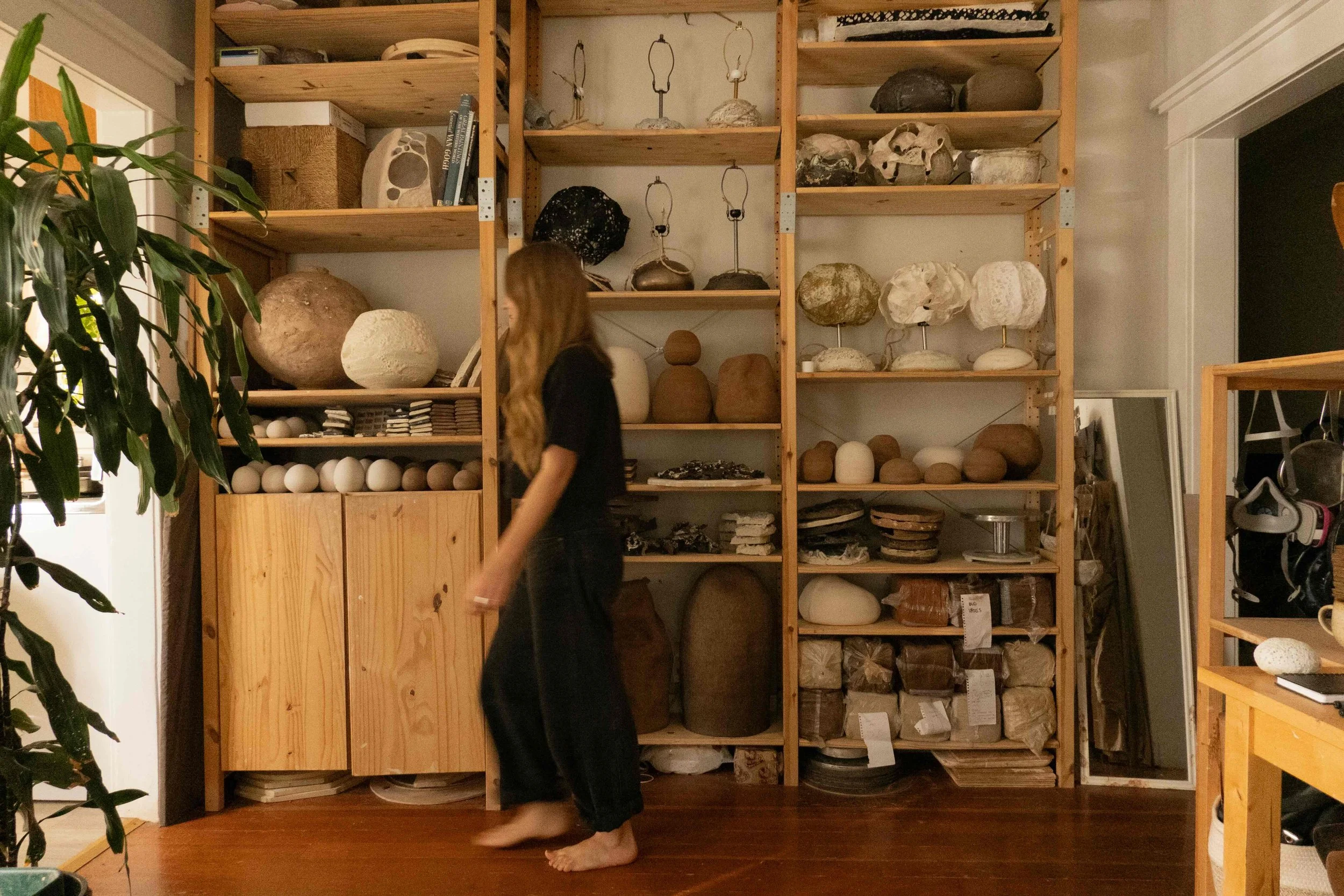
Maria Loram in the studio. Credits: Agathus Studios
Thinking About Building Your Ceramics Business?
This is the kind of breakdown I wish someone had shown me when I was starting out. If you're a ceramic artist working on the business side — pricing, fairs, expenses, building a sustainable studio practice — I'm planning to offer 1-1 mentorship sessions in the future. Drop me an email at maria@loramceramics.com and I'll let you know when spots open.
In the meantime, if you want to develop your technical ceramic skills alongside the business side, I teach two online courses: Textures in Ceramics covers surface decoration from natural materials to lava glaze, and The Glaze is Lava goes deep on volcanic and crater glaze effects.
Go Deeper
If you want to build the technical foundation that makes a lot of it possible that's exactly what I cover inside my courses:
Textures in Ceramics — an 8-week course building a real vocabulary of ceramic surface technique, from natural materials through glaze chemistry.
The Glaze is Lava — my deep dive into lava glazes, crater glazes, and special effect surfaces.
And if you want the ongoing material — recipes, test results, behind-the-scenes from my own business — that's what my Patreon is for.
About the Author
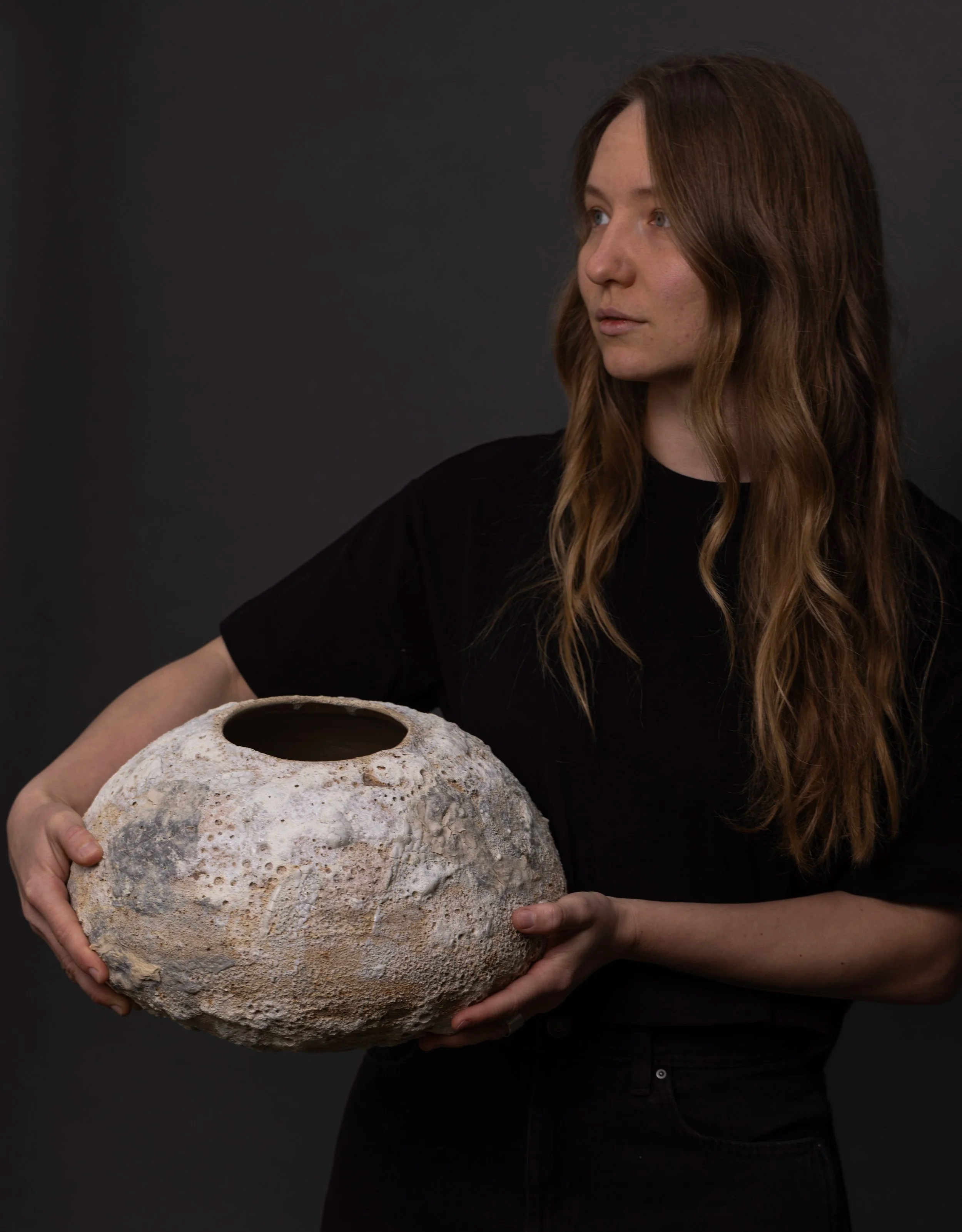
Hi, I’m Maria — a ceramic artist based in the US. I make sculptural lighting and hand-built vessels, and I share my studio process online.
I teach ceramics internationally and online. → loramceramics.com
This checklist is part of a growing library of free guides for ceramic artists and makers.