What It's Actually Like to Make a Living as a Ceramic Artist (The Honest Answer)
Go to any pottery group online and ask whether you can make a living from ceramics. Out of three hundred comments, you might get one that says yes.
I want to be that comment.
Not because it's easy — it isn't. And not because it works the way most people imagine — it usually doesn't. But because "impossible" is the wrong word, and I think the reason it gets used so often is that most people asking the question are picturing a very narrow version of what a ceramics career can look like.
I've been building mine for several years now, and I want to share what it's actually been like.
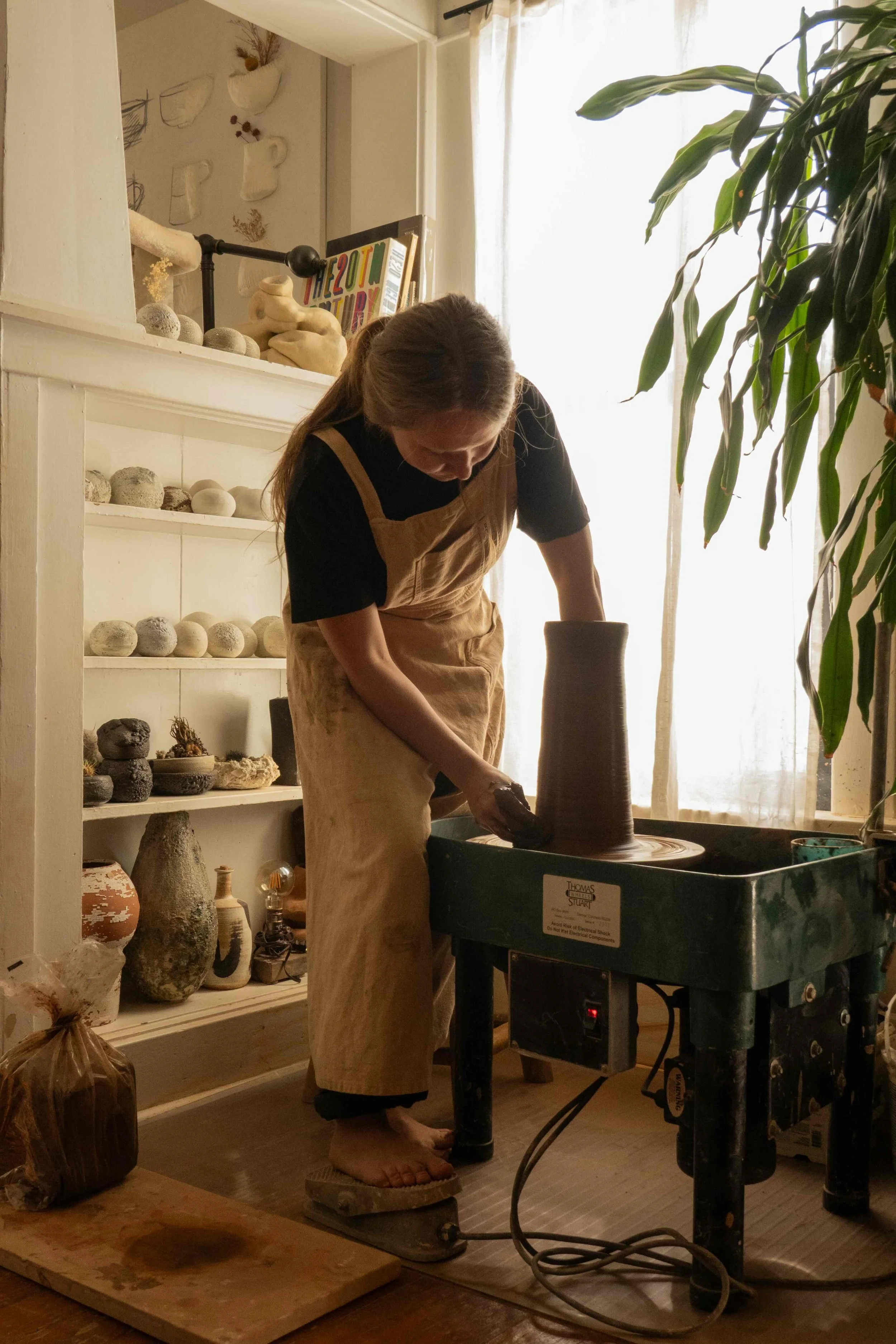
What "Full-Time Ceramics" Actually Involves
Here's the thing nobody tells you upfront: being a full-time ceramic artist is not primarily about making pots. It's about running a business that happens to involve making pots.
In practice, that means social media, SEO, markets, design fairs, email outreach, client relationships, accounting, shipping, photography, and website maintenance — none of which is visible in the finished work, and all of which takes real time. Ceramics became my full-time job before it became my full-time income, and for a while I was spending most of my best hours on the business side and only some of them at the wheel. That's the reality, and it's worth knowing going in.
The flip side is the lifestyle, which is genuinely wonderful. Workshops in interesting places, residencies, connections with designers and galleries, the freedom to follow a research direction that interests you. The business side and the creative side exist on the same continuum — they just don't always feel that way in the middle of the week.
My Own Transition (The Slow Version)
I was working as a self-employed tutor when I started ceramics seriously — which meant I already had some control over my hours and an income that didn't require a 9-to-5 presence. Ceramics gradually took over more and more of that time, and I let it. I never formally quit tutoring; I just let ceramics grow until it was the dominant thing. I still teach — five to fifteen hours a week depending on the season — partly for the income, and partly because I genuinely enjoy it.
I share the full story of how that transition happened in the video, including the specific question I kept coming back to: how much do I actually need to live, how much do I have, and am I ready to treat this as a profession rather than a hobby? Those three questions are worth sitting with before making any dramatic moves.
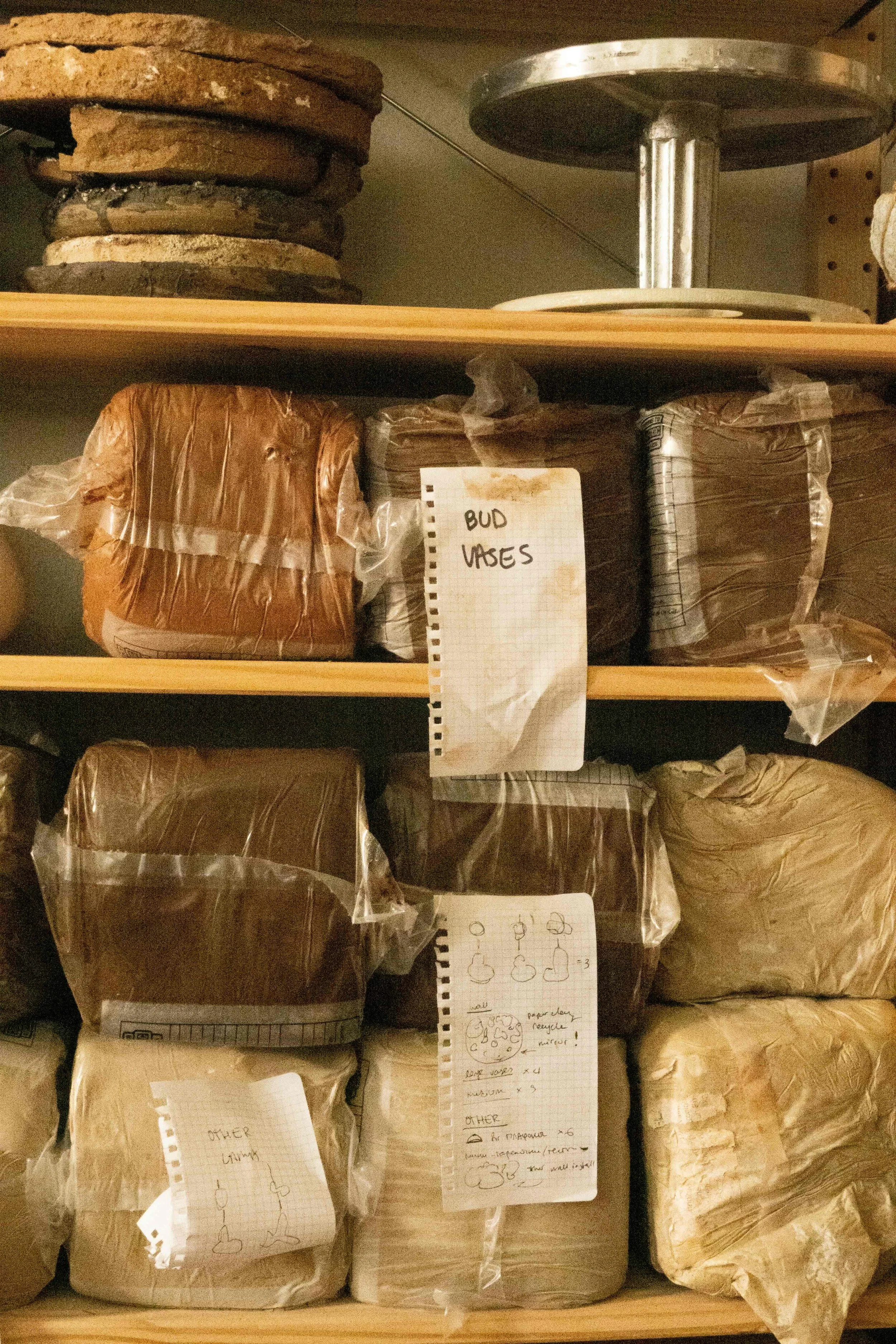
Clay in the studio. Credits: Agathus Studios
Four Things Worth Knowing Before You Start
I go through these in much more depth in the video, but here's the short version.
Start selling before you're ready. Don't wait for a developed style, a certain number of followers, or a finished website. Sell early — at markets, to friends, wherever makes sense. Selling teaches you things making alone never will: what people respond to, how to talk about and value your work, what it feels like to ship and follow up and price. These are skills, and like all skills, they're learned by doing.
Build one platform at a time. There are a lot of places a ceramics business could theoretically exist — Instagram, a website, Etsy, markets, YouTube, Patreon. None of them need to be perfect, and you don't need all of them at once. Start with one, get comfortable, then add the next. A decent website and a consistent Instagram are genuinely enough to sell from. The rest can come later, as things grow and your direction becomes clearer.
Learn to tell the difference between fear and a closed door. This is the harder tip, and the most personal. Some resistance is fear of change — the kind you should push through. Some resistance is your instincts telling you something isn't right for you. The more you practice listening to that distinction, the better your decisions get. I've found it particularly useful when deciding which residencies to apply to, which collaborations to pursue, and which directions to follow and which to let go.
Explore before you commit. Your style, your niche, your income mix — none of these need to be decided at the start. I thought I was going to make cups. I ended up obsessed with glaze chemistry and texture research. The people who tell you to commit to one thing early are often imagining a more static creative life than the one most working ceramicists actually lead. Try things cheaply first: a community studio before your own kiln, a local market before a juried craft fair, Etsy before your own e-commerce setup.
The Bigger Picture
Most people building a real ceramics practice are combining two or three income streams — not because they couldn't commit to one, but because the combination is more resilient and more interesting. Selling work is one stream. Teaching is another. Digital products, licensing, content, residencies, workshops — there are more options in ceramics than almost any other craft, and most of them don't require you to be producing at scale.
The pottery groups that say it's impossible are imagining one route: selling pots, hoping enough people buy them, scaling up production. That's a real route, and some people take it successfully. But it's not the only one — and it's not even close to the whole picture. I made an entire video listing over a hundred different ways ceramics can generate income. The field is much wider than the pessimists imagine.
It's possible. Just probably not in the way you're currently picturing it — and that's actually good news.
Where to Go From Here
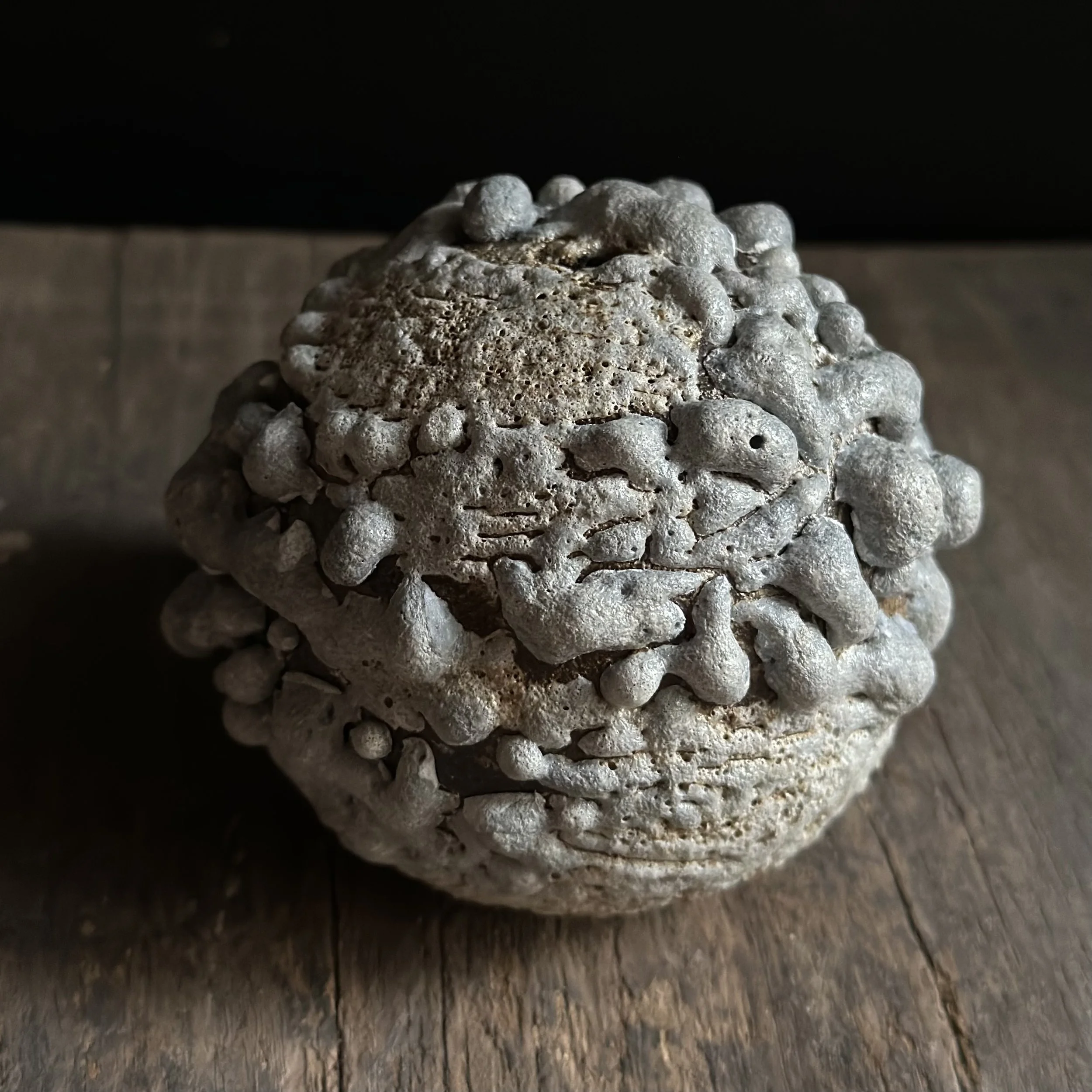
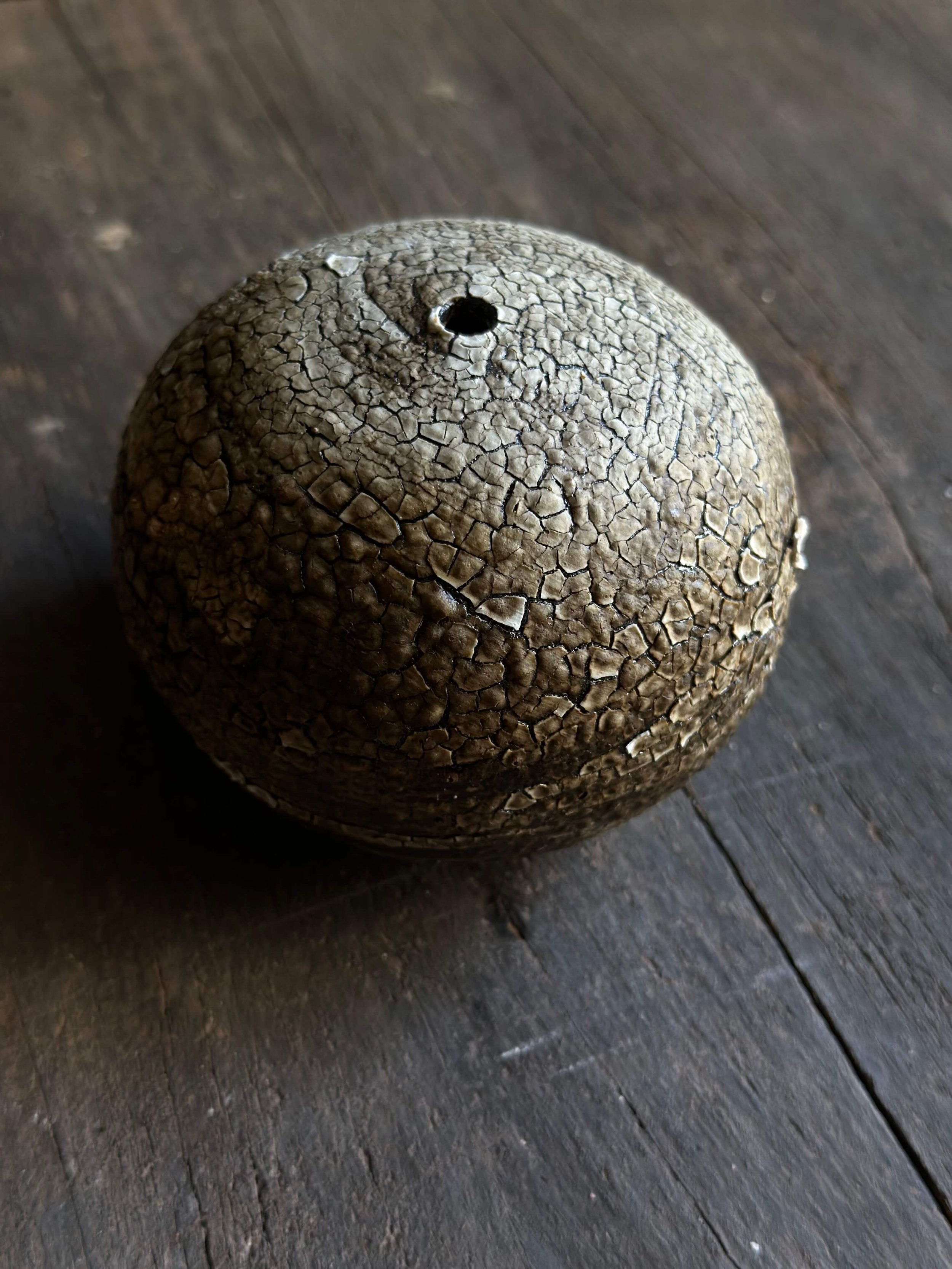
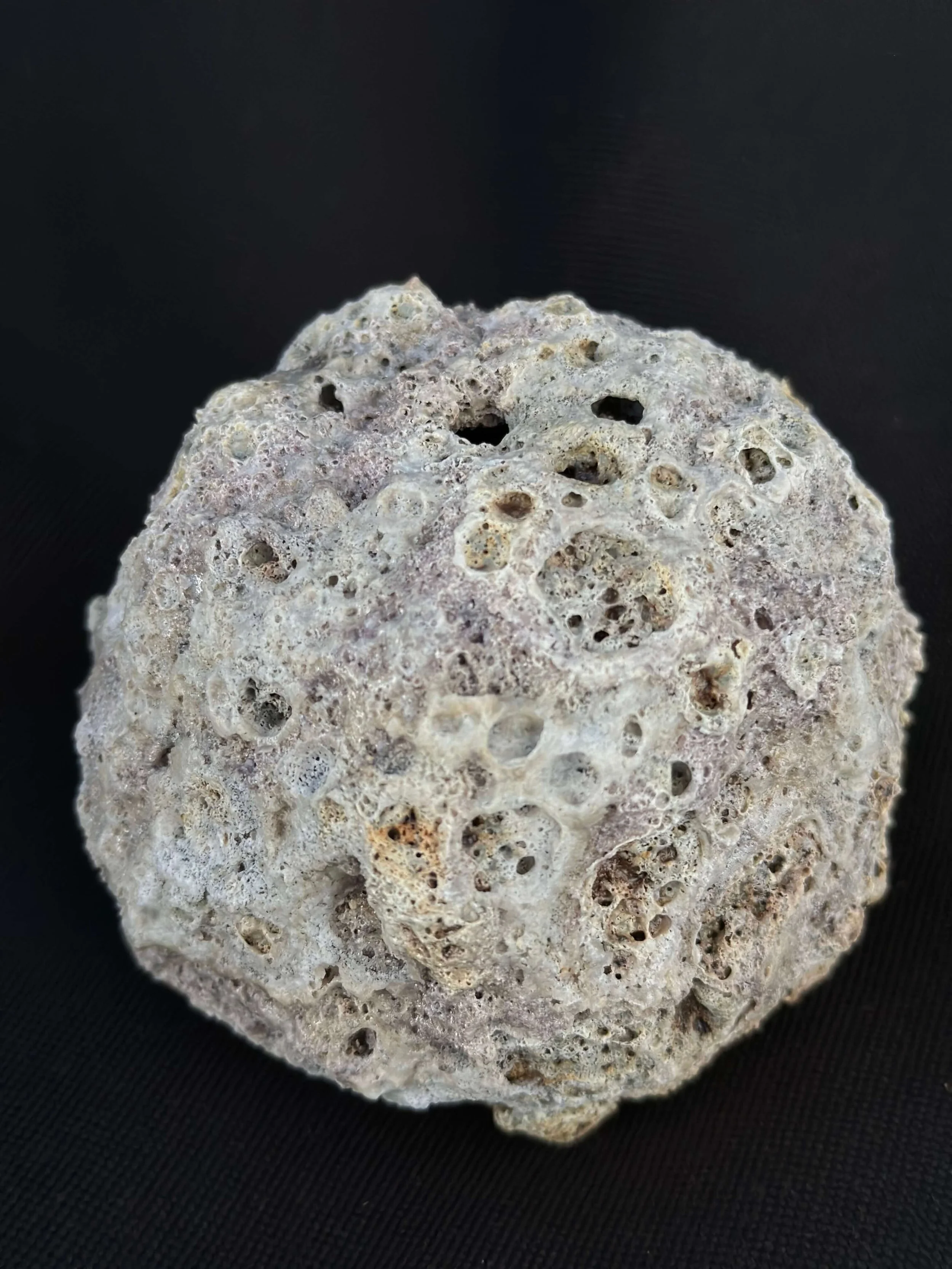
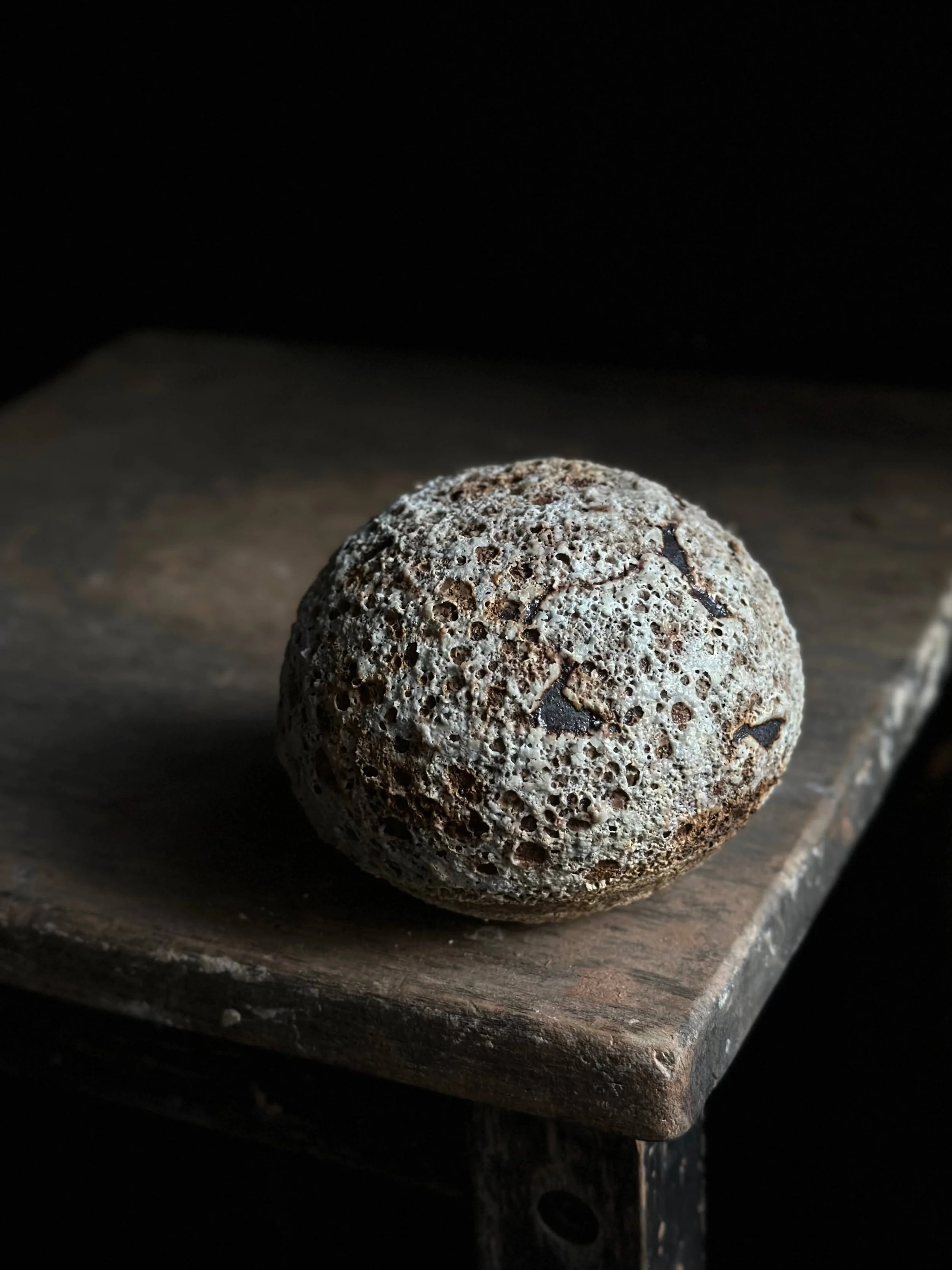
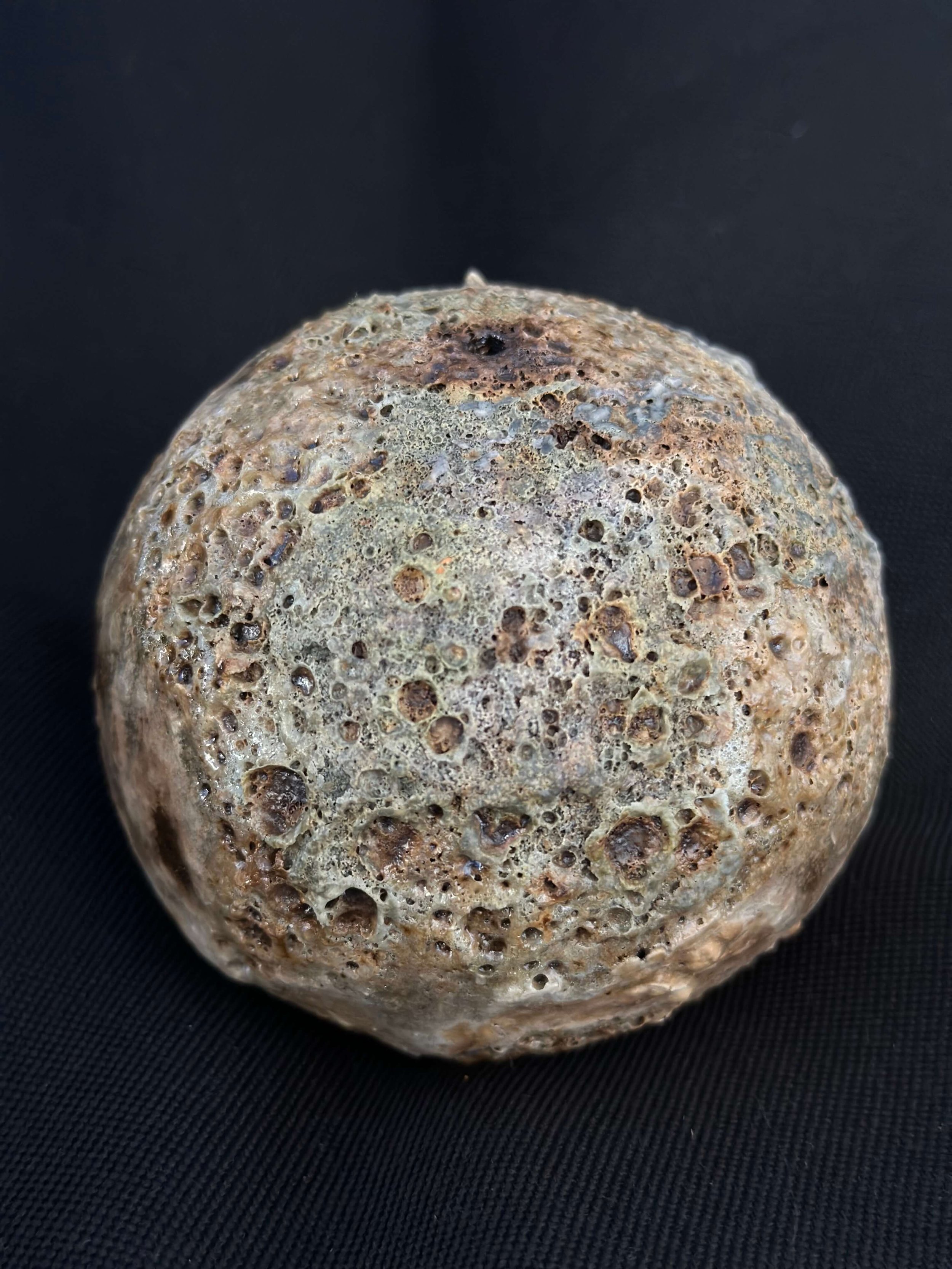
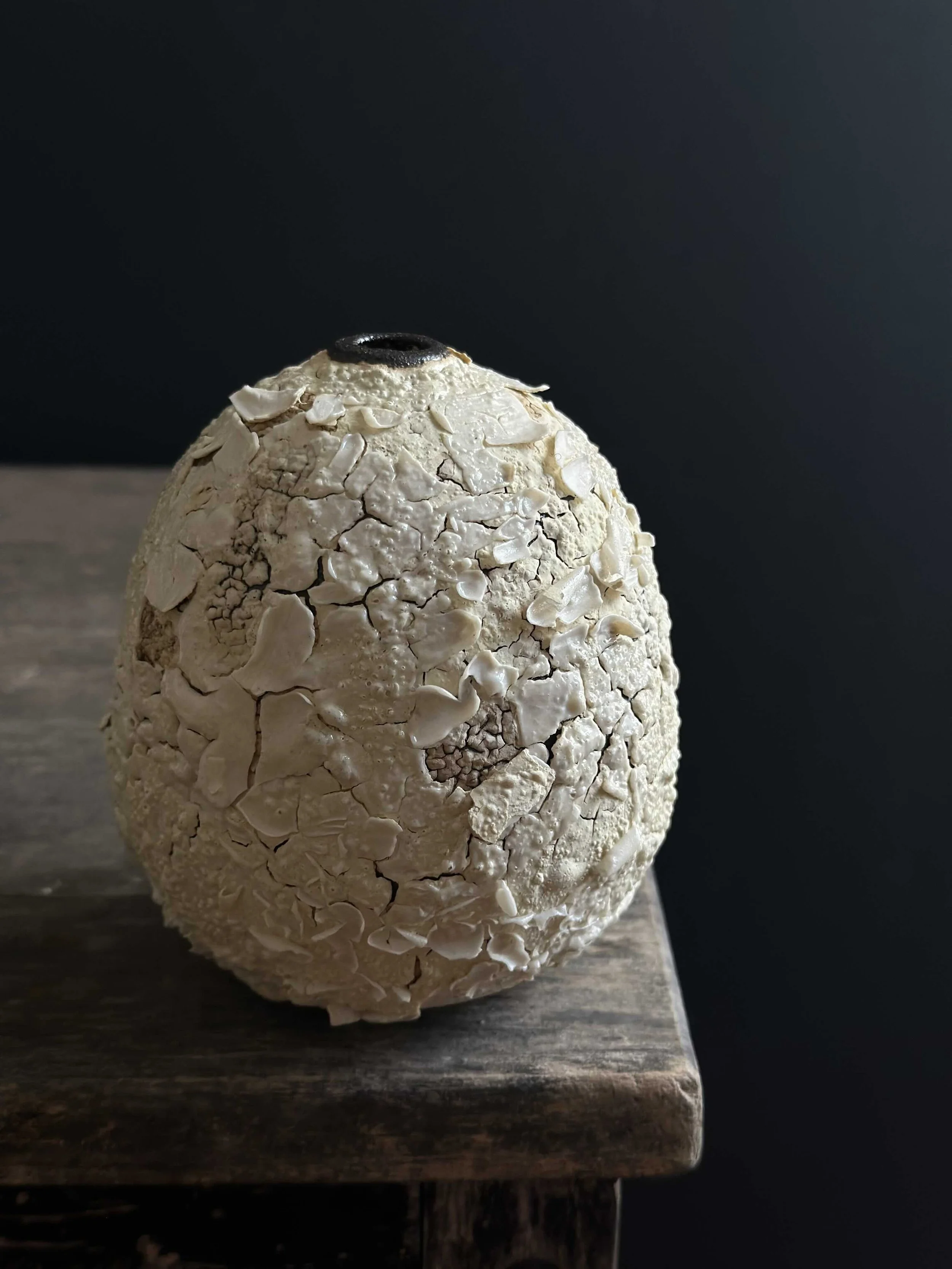
The ceramics I make are available through commissions — each piece made to order, each surface unrepeatable. If you're a designer or collector looking for a specific scale, form, or texture quality, I'm always open to conversations about what's possible. Reach me at maria@loramceramics.com.
If you're a ceramic artist and you want to understand how these surfaces are made — not just what they look like — I teach two courses that cover exactly this:
Textures in Ceramics is an 8-week online ceramics course covering the full range of natural texture techniques — from clay body additives (sand, grog, foraged materials) through to lava glaze and special effect glazes. It's the right starting point if you want to learn how to add texture to pottery and build a complete vocabulary of ceramic surface decoration.
The Glaze is Lava is a focused 6-hour online ceramics course on lava glaze, crater glaze, and silicon carbide-based special effect glazes specifically — covering the variables, the troubleshooting, and the method behind repeatable results.
And if you want the lava glaze recipes themselves — my monthly experiments, test results, and glaze formulas straight from the kiln — those live on my Patreon.
What surfaces are you drawn to right now? I'd love to know — leave a comment below or find me on Instagram.
About the Author
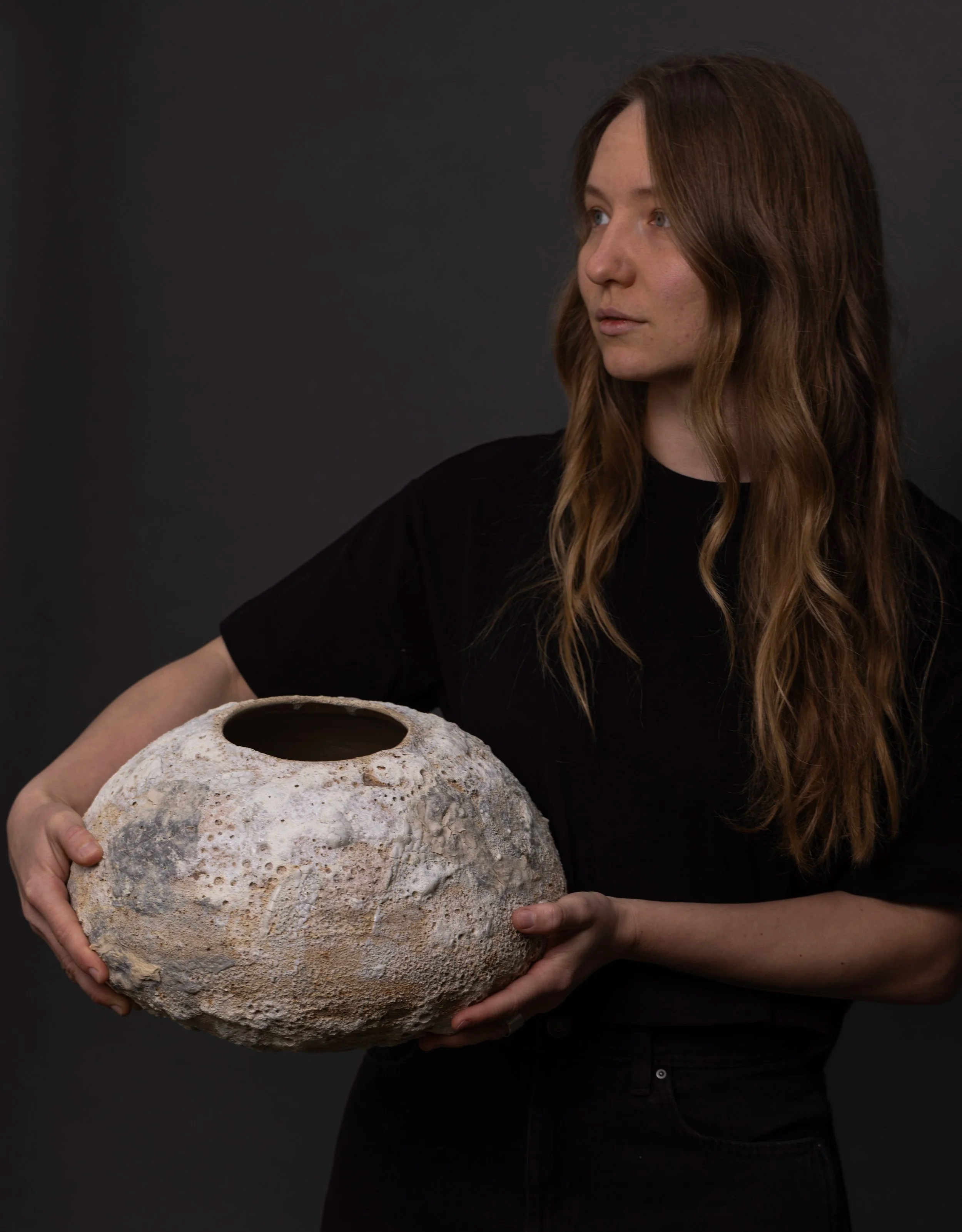
Hi, I’m Maria — a ceramic artist based in the US. I make sculptural lighting and hand-built vessels, and I share my studio process online.
I teach ceramics internationally and online. → loramceramics.com